
Introduction
The franchise sales funnel is the foundation of successful franchise growth. It defines how a franchise brand attracts prospects, qualifies serious candidates, educates investors, and ultimately awards franchises to the right operators. Without a clearly structured funnel, franchisors face inconsistent lead quality, extended sales cycles, low conversion rates, and long-term brand risk.
In today’s competitive franchise landscape, generating leads is no longer the challenge. The real challenge lies in converting interest into commitment while maintaining transparency, compliance, and alignment. A well-designed franchise sales funnel creates predictability by guiding prospects through a logical, education-driven journey that builds trust at every stage.
This article explains the franchise sales funnel step by step, from initial awareness to onboarding. It is designed for franchisors, franchise development teams, and consultants who want a professional, scalable framework that improves conversion quality, protects brand standards, and supports sustainable franchise expansion.
What Is a Franchise Sales Funnel?
A franchise sales funnel is the defined journey a prospective franchise buyer follows from first discovering a franchise opportunity to signing a franchise agreement and entering onboarding. Unlike traditional sales funnels, franchise funnels are longer, higher in financial commitment, education-driven, and legally regulated. The purpose is alignment, not speed. A well-built funnel attracts qualified candidates, educates prospects before decisions, filters out poor-fit investors early, and protects brand standards and compliance.
Why Franchise Sales Funnels Are Fundamentally Different
Applying eCommerce or SaaS logic to franchise development is costly. Franchise sales differ because investments are high-ticket, decisions are lifestyle-altering, legal disclosure governs information flow, sales cycles are longer, and trust outweighs persuasion. As a result, funnels must be structured, transparent, and methodical rather than aggressive.
The Complete Franchise Sales Funnel Structure
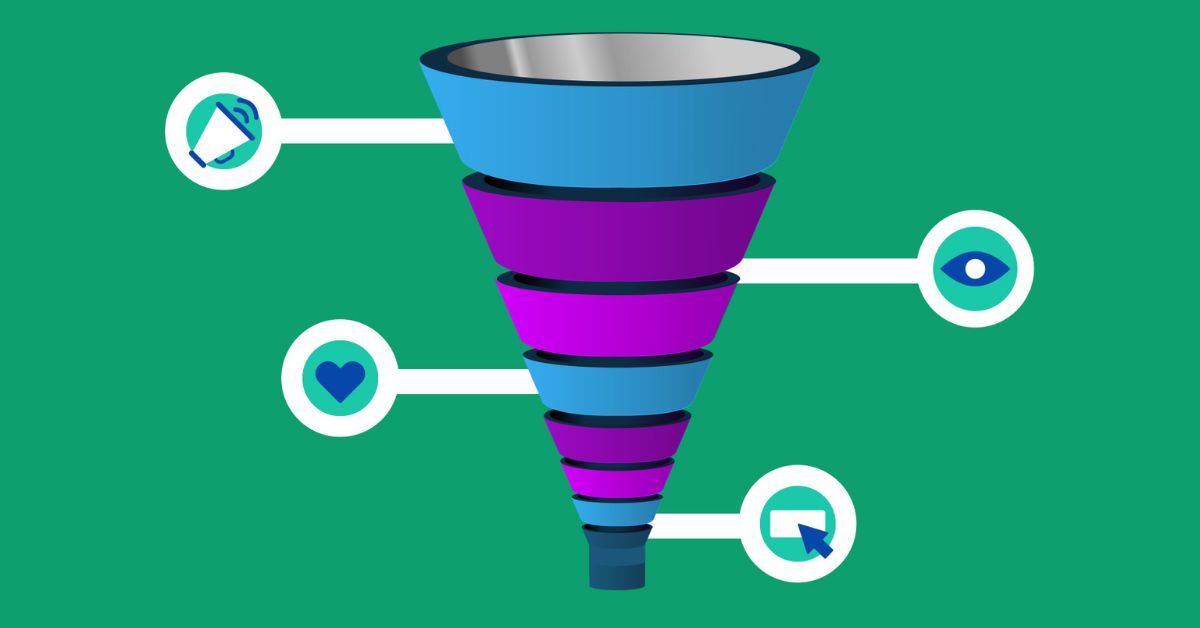
A professional franchise sales funnel consists of seven stages: Awareness, Lead Capture, Initial Qualification, Education and Nurturing, Discovery and Validation, FDD Review and Decision, Closing and Onboarding. Each stage has a distinct objective; blending or skipping stages reduces conversion quality.
Stage 1: Awareness – Attracting the Right Franchise Audience
Awareness introduces your brand to people exploring business ownership. High-performing channels include SEO education, franchise marketplaces, search campaigns, social ads, podcasts, webinars, and video. Professional awareness content prioritizes education over selling. High-intent long-tail keywords include how franchise sales work, is franchising a good investment, franchise business ownership guide, and franchise vs startup comparison.
Stage 2: Lead Capture – Turning Interest Into Action
Lead capture converts anonymous traffic into known prospects. The objective is permission to communicate, not qualification. Best practices include short inquiry forms, clear value-based CTAs, focused landing pages, and downloadable guides or webinars. Avoid long application forms, early financial screening, and income promises. Simplicity improves conversion and downstream quality.
Stage 3: Initial Qualification – Filtering Before Selling
Qualification protects time, brand, and candidates. Professional screening focuses on available liquid capital, credit stability, territory alignment, ownership mindset, and realistic timelines. Typical tools include automated questionnaires, introductory calls, and CRM scoring to ensure only viable candidates advance.
Stage 4: Education and Nurturing – Building Clarity and Confidence
Most deals stall due to uncertainty. Education resolves hesitation through franchise overview decks, webinars, unit economics, training documentation, and franchisee case studies. Email nurturing answers objections, reinforces credibility, and prepares candidates for discovery. SEO-driven mid-funnel content ranks for franchise sales process explained, franchise training and support details, and what is included in a franchise system.
Stage 5: Discovery and Validation – Mutual Due Diligence
Discovery confirms alignment on both sides via in-depth calls, leadership meetings, operational walkthroughs, territory discussions, and validation with existing franchisees. The tone should be consultative. Transparency builds confidence; pressure creates hesitation.
Stage 6: FDD Review and Decision – Legal and Strategic Evaluation
This is the most sensitive stage. Best practices include explaining how to read the FDD, encouraging legal and financial review, maintaining consistent non-coercive follow-up, and addressing concerns directly. The FDD is a decision framework, not a barrier. Informed candidates commit with confidence and perform better long term.
Stage 7: Closing and Onboarding – From Agreement to Execution
Closing transitions to execution. A professional system includes clear timelines, onboarding checklists, training schedules, pre-opening support, and immediate integration with support teams. Strong onboarding reduces buyer’s remorse and sets performance expectations early.
Franchise Sales Funnel Metrics That Matter
Optimize with the right KPIs: cost per qualified lead, lead-to-qualification rate, qualification-to-discovery ratio, discovery-to-FDD conversion, FDD-to-close rate, and average sales cycle length. Track by source to identify quality, not just volume.
Common Franchise Sales Funnel Mistakes
Avoid prioritizing volume over quality, using identical messaging at every stage, inconsistent follow-up, weak CRM discipline, and rushing to close. Professional brands optimize process, not pressure.
SEO Strategy for Franchise Sales Funnel Content
SEO supports the entire funnel through top-of-funnel education, mid-funnel process explainers, bottom-funnel decision support, internal linking across stages, and regular freshness updates. Long-form authority content consistently earns featured snippets and pre-sells trust.
How to Build a Scalable Franchise Sales Funnel
Scalability comes from structure and consistency: clearly defined stage criteria, standardized templates, CRM automation, documented handoffs, and continuous performance analysis. Automation supports human interaction; it does not replace it.
The Role of Trust in Franchise Sales
Every stage builds or erodes trust. Trust grows with transparency, education, responsiveness, and consistency; it erodes with pressure, vague answers, and misaligned expectations. Strong systems prioritize trust over speed.
Final Perspective: Why the Franchise Sales Funnel Drives Sustainable Growth
The franchise sales funnel determines who enters your system and how prepared they are to succeed. Brands that invest in structure attract stronger candidates, close efficiently, reduce risk, and build higher-performing networks. A professional funnel creates alignment before agreement, clarity before commitment, and partnership before profit.