The franchise sales process is the backbone of every successful franchise system. It determines not only how many franchise units a brand sells, but also the quality, performance, and longevity of its franchise network. A weak or rushed process may close deals quickly, but it often leads to mismatched franchisees, operational breakdowns, legal exposure, and long-term brand damage. A structured, transparent, step-by-step franchise sales process produces better franchise owners, stronger unit economics, and sustainable growth.
This long-form guide explains the franchise sales process step by step, from first inquiry to post-signing handoff. It is written for franchisors, franchise development executives, brokers, and consultants who want to build a compliant, scalable, and conversion-focused franchise sales system that attracts qualified candidates and withstands scrutiny from regulators, attorneys, and investors.
What Is the Franchise Sales Process?
The franchise sales process is a documented sequence of actions that guides a prospective franchise buyer from initial interest through education, qualification, disclosure, validation, approval, and ultimately franchise agreement execution. Unlike traditional sales, franchise sales are regulated, consultative, and relationship-driven. The objective is not to sell fast, but to sell right.
A professional franchise sales process balances three priorities:
- Protecting the franchisor’s brand and legal position
- Helping candidates make informed investment decisions
- Selecting franchisees who can operate successfully for the long term
Every step exists for a reason. Removing or compressing steps may increase short-term sales velocity, but it increases long-term risk.
Why a Step-by-Step Franchise Sales Process Is Critical
Franchise systems that lack a structured sales process often experience predictable problems: high franchisee turnover, litigation, weak unit economics, and stalled development. A step-by-step process creates consistency and accountability across every candidate interaction.
Key benefits include:
- Higher franchise lead quality
- Lower franchisee failure rates
- Shorter onboarding learning curves
- Fewer disputes and rescissions
- Stronger franchisee satisfaction
- Improved brand reputation in the franchise marketplace
From an SEO perspective, content that explains the franchise sales process in detail also attracts high-intent search traffic from entrepreneurs actively researching franchise ownership.
Franchise Sales Process Overview
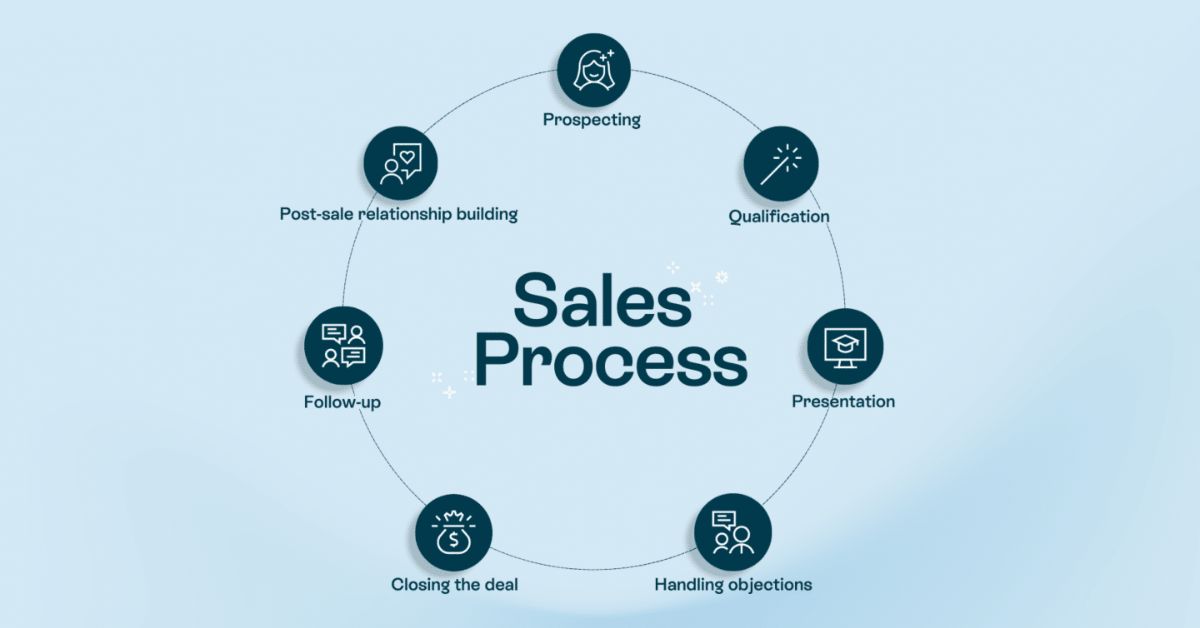
At a macro level, the franchise sales process includes:
- Franchise lead generation
- Initial screening and qualification
- Education and relationship building
- Franchise application and disclosure
- Due diligence and validation
- Discovery and final approval
- Agreement signing and onboarding transition
Each stage builds upon the previous one. Skipping steps weakens the integrity of the entire process.
Step 1: Franchise Lead Generation and Initial Inquiry
The franchise sales process begins when a prospective franchise buyer expresses interest in the brand. This interest may come from multiple channels, but the goal is always the same: capture accurate information and begin structured engagement.
Common Franchise Lead Generation Channels
- Franchise development websites
- Franchise listing portals
- Organic SEO content and blogs
- Paid search and social advertising
- Franchise brokers and consultants
- Trade shows and franchise expos
- Referrals from existing franchisees
What Happens at This Stage
- The prospect submits an inquiry form or makes direct contact
- Basic data is collected such as name, location, budget range, and timeline
- The lead is entered into a CRM system for tracking and follow-up
At this stage, volume matters less than clarity. Poorly structured lead capture forms create confusion and waste sales resources later in the process.
Step 2: Initial Franchise Lead Screening
Not every inquiry represents a viable franchise candidate. Early screening ensures that only realistic prospects advance.
Objectives of Initial Screening
- Confirm minimum financial qualifications
- Identify geographic or territory constraints
- Understand general business ownership interest
- Assess seriousness and timeline
Common Screening Methods
- Short qualification questionnaires
- Introductory phone calls
- Automated CRM scoring rules
- Email-based pre-screening sequences
This step is not about rejection. It is about alignment. Candidates who are not ready today may become qualified later with proper education.
Step 3: First Franchise Sales Call or Introductory Call
The first live conversation sets the tone for the entire franchise relationship. It is an exploratory discussion, not a pitch.
Goals of the First Call
- Learn why the candidate is exploring franchising
- Understand professional background and lifestyle goals
- Explain the franchise concept at a high level
- Discuss investment range and involvement expectations
- Outline the full franchise sales process
Strong franchise sales professionals listen more than they talk during this call. The objective is to assess fit, not to impress.
Best Practices
- Avoid income claims or guarantees
- Be transparent about operational realities
- Document key motivations and concerns
- Clearly explain next steps
This conversation builds trust and filters out candidates who are not aligned with the brand.
Step 4: Franchise Concept Education and Brand Overview
Once initial alignment is confirmed, the focus shifts to education. Candidates must fully understand what they are evaluating.
Information Typically Shared
- Brand story and market positioning
- Business model and revenue drivers
- Training and support structure
- Territory strategy and growth plans
- High-level investment overview
This stage answers a fundamental question for the candidate:
Is this franchise something I want to explore seriously?
Education should be factual, balanced, and repeatable. Overpromising at this stage undermines credibility later.
Step 5: Franchise Application Submission
The franchise application is a formal signal of intent. It moves the candidate from exploration to evaluation.
Purpose of the Franchise Application
- Collect detailed financial and background information
- Confirm legal eligibility to own a franchise
- Assess operational and cultural fit
- Create a record for compliance purposes
Applications commonly request:
- Personal and financial disclosures
- Business or management experience
- Credit authorization
- Preferred territories
Submission of an application does not guarantee approval. It initiates deeper due diligence on both sides.
Step 6: Franchise Disclosure Document Delivery and Review
The Franchise Disclosure Document, commonly known as the FDD, is the most important legal document in the franchise sales process.
What the FDD Includes
- Company background and leadership history
- Franchise fees and ongoing costs
- Franchisee obligations and restrictions
- Territory rights and limitations
- Training and support commitments
- Litigation and bankruptcy history
- Financial performance representations if provided
Compliance Considerations
Candidates must be given sufficient time to review the FDD before signing any agreement or paying fees. This waiting period is mandatory in many jurisdictions.
Best Practice for Franchisors
- Encourage candidates to review the document thoroughly
- Recommend consultation with a franchise attorney
- Be available to clarify, not reinterpret, the document
Transparency during the FDD stage builds long-term trust and reduces post-sale conflict.
Step 7: Franchisee Validation and Reference Calls
Validation is where theory meets reality. Candidates speak directly with existing franchisees to confirm their understanding.
Why Validation Matters
- Confirms day-to-day operational realities
- Builds confidence in the decision
- Reduces fear of unknown risks
- Filters out candidates who are not ready
Common Validation Topics
- Training effectiveness
- Corporate support responsiveness
- Marketing performance
- Ramp-up challenges
- Lifestyle impact
Strong franchise systems do not control these conversations. They allow franchisees to speak openly, which strengthens credibility.
Step 8: Follow-Up Discussions and Objection Resolution
After FDD review and validation, candidates usually have more detailed questions.
Purpose of Follow-Up Calls
- Clarify legal and operational points
- Discuss territory availability
- Review timelines and launch milestones
- Address concerns without pressure
These discussions should feel collaborative. The role of the sales team is to guide, not persuade.
Step 9: Discovery Day or In-Person Evaluation
Discovery Day allows both parties to assess cultural and strategic fit.
Typical Discovery Day Agenda
- Meetings with leadership and support teams
- Review of systems and technology
- Discussion of brand vision and values
- Final Q&A sessions
Discovery Day is as much about the franchisor evaluating the candidate as it is about the candidate evaluating the brand.
Step 10: Internal Review and Final Approval
Before awarding a franchise, the franchisor conducts an internal assessment.
Approval Factors
- Financial verification
- Background checks
- Territory alignment
- Cultural fit with the brand
- Leadership approval
Rejecting a candidate at this stage protects the brand. Selling a franchise to the wrong person costs far more than losing a single sale.
Step 11: Franchise Agreement Execution
Once approved, the franchise agreement is issued.
What Happens at Signing
- Agreement is reviewed and executed
- Initial franchise fee is paid
- Territory rights are granted
- Onboarding timeline begins
This step marks the transition from sales to operations.
Step 12: Sales-to-Operations Handoff and Onboarding
The franchise sales process does not end at signing. A smooth handoff ensures momentum.
Typical Onboarding Activities
- Initial training scheduling
- Site selection or territory planning
- Vendor and supplier setup
- Pre-opening marketing coordination
- Operational system access
Poor handoffs create frustration and delay openings. Strong brands treat onboarding as a continuation of the sales experience.
How Long Does the Franchise Sales Process Take?
There is no universal timeline, but most franchise sales processes fall within predictable ranges.
Typical Timeframes
- Service-based franchises: 30 to 60 days
- Retail and food franchises: 60 to 120 days
- Multi-unit or master franchises: 90 to 180 days
A longer process often leads to stronger franchisee preparedness and better long-term outcomes.
Common Franchise Sales Process Mistakes
Even experienced franchisors make avoidable errors.
Frequent Mistakes
- Prioritizing lead volume over quality
- Rushing candidates through disclosure
- Overselling earnings potential
- Poor CRM tracking and follow-up
- Inconsistent messaging across sales reps
- Weak validation processes
Avoiding these mistakes improves both conversion rates and franchisee performance.
Franchise Sales Process Best Practices for Sustainable Growth
To build a scalable franchise sales system:
- Document every step clearly
- Use CRM automation without losing personalization
- Focus on education and transparency
- Track conversion metrics at each stage
- Align marketing, sales, and operations teams
- Continuously refine based on data and feedback
Final Perspective: Franchise Sales as a Long-Term Investment
The franchise sales process step by step is not a script. It is a framework for building durable partnerships. Brands that respect the process attract better franchisees, experience fewer disputes, and grow with stability rather than volatility.
For franchisors and franchise sales teams, mastering this process is not optional. It is the foundation of every successful franchise system.