
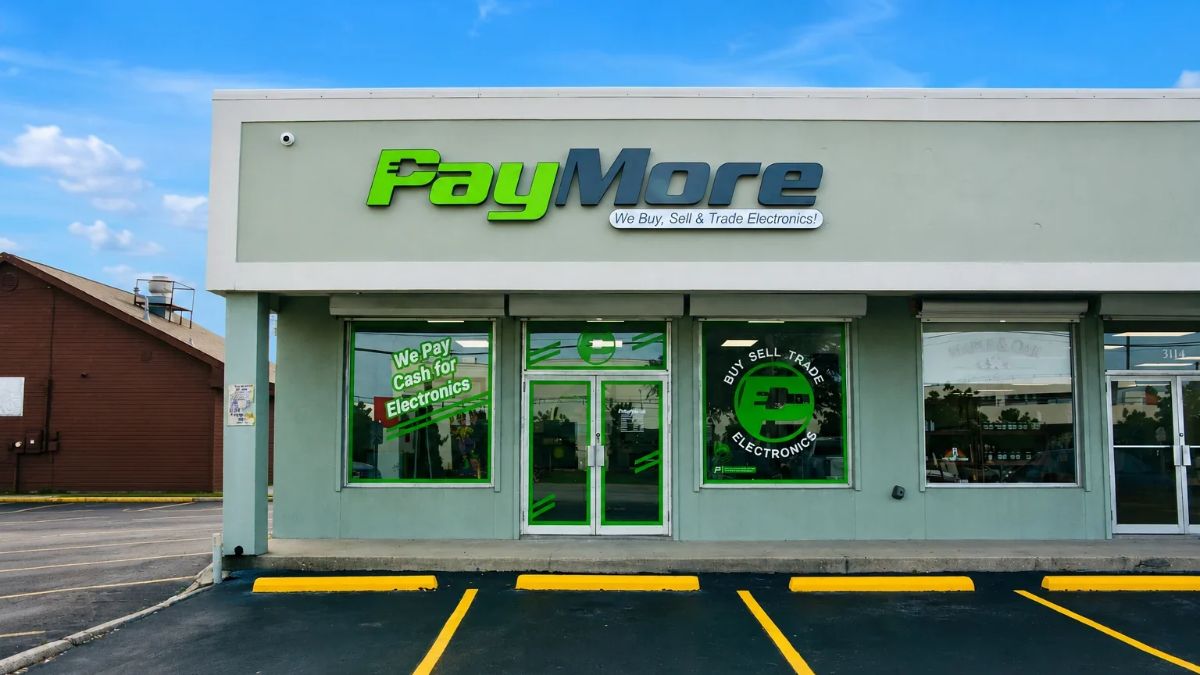
PayMore’s Multi-Unit Franchise Strategy Drives Expansion as Electronics Resale Demand Accelerates
Building a successful franchise system requires more than signing development agreements. Sustainable expansion depends on selecting capable franchise partners, creating repeatable operating systems, and identifying markets where consumer demand can support additional locations.
Electronics resale franchise PayMore offers an interesting example of how these elements can work together.
The New York-based company has expanded from approximately 58 operating stores at the end of 2024 to more than 150 locations in November 2026. Its growth has been supported by experienced multi-unit operators, investment in franchise infrastructure, and increased demand for secondhand consumer electronics.
PayMore’s expansion is particularly noteworthy because it is occurring outside the restaurant industry, where multi-unit franchise ownership has traditionally been most visible.
The company’s trajectory offers several lessons for franchisors, franchise development executives, and investors evaluating emerging retail concepts.
Building a Franchise System Around Experienced Operators
A major component of PayMore’s development strategy involves recruiting franchisees with existing business ownership experience.
Multi-unit operators often approach franchise investments differently from first-time entrepreneurs.
Rather than evaluating only the potential of a single store, they consider whether a concept can support multiple locations, standardized operations, centralized management, and long-term portfolio growth.
PayMore has increasingly attracted this category of investor.
Established franchise groups, including Imbue Capital, have been associated with the company’s expansion, reflecting interest among experienced operators in categories beyond traditional quick-service restaurants.
For franchisors, these relationships can create advantages.
An operator familiar with recruiting managers, managing payroll, negotiating leases, and monitoring performance across several businesses may be better prepared to execute a multi-location development plan.
However, multi-unit ownership also creates additional requirements for the franchisor.
Training systems, performance reporting, technology infrastructure, and field support must be capable of serving larger franchise organizations without compromising consistency.
PayMore’s Expansion Reflects a Structured Development Strategy
PayMore began operations in 2011 and launched its franchise expansion in 2020.
By the end of 2024, its network had reached approximately 58 operating locations across North America.
Less than two years later, the company celebrated the opening of its 150th store in Baton Rouge, Louisiana, on November 2, 2026.
The company subsequently reached approximately 151 operating locations, putting its network at roughly 2.6 times its late-2024 size.
The expansion reflects a combination of new franchise development and additional investment from existing franchisees.
By July 2026, PayMore had announced that it had surpassed 100 multi-unit franchise agreements.
The company also reported 19 new store openings during the first quarter of 2026, including 12 in the United States and seven in Canada.
By early November, PayMore had opened 38 locations during 2026 and was forecasting approximately 165 operating stores by year-end.
Its longer-term objective is to reach approximately 250 locations by the end of 2027.
Why Franchisee Reinvestment Matters
One of the strongest indicators of confidence within a franchise system can be the willingness of existing owners to invest in additional locations.
While initial franchise sales demonstrate interest in a concept, repeat investment can provide a different perspective on how operators view the business after gaining firsthand experience.
PayMore has highlighted franchisees who expanded their territorial commitments after entering the system.
Pennsylvania franchisee Veer Patel, for example, was identified by the company as an operator who secured additional territory beyond his original agreement.
Similarly, the franchise group responsible for PayMore’s milestone Baton Rouge opening already operated stores in Covington and Metairie, Louisiana.
These examples illustrate how franchisee reinvestment can contribute to geographic expansion.
For a franchisor, repeat development may also reduce some of the uncertainty associated with recruiting entirely new operators.
Existing franchisees already understand the brand’s operating procedures, technology requirements, and customer experience expectations.
Nevertheless, additional store commitments should still be evaluated against individual franchisee financial capacity and the commercial potential of each proposed territory.
The Business Economics Behind Electronics Resale
PayMore’s model operates within the growing market for secondhand electronics.
The business purchases eligible devices from consumers, evaluates their condition and resale potential, and offers tested pre-owned products for sale.
Its inventory categories include smartphones, tablets, laptops, gaming consoles, cameras, smartwatches, and computer components.
From a business development perspective, the model has several notable characteristics.
First, stores acquire much of their inventory directly from consumers rather than relying exclusively on traditional wholesale purchasing channels.
Second, the business participates in both the buying and selling sides of the electronics market.
Third, physical locations provide customers with an alternative to peer-to-peer transactions, which can involve uncertainty about device condition, payment security, and product authenticity.
Finally, the recycling component provides an additional reason for customers to visit a store even when they are not immediately purchasing a replacement device.
These characteristics distinguish PayMore from conventional consumer electronics retailers.
However, the model also depends heavily on disciplined inventory valuation, fraud prevention, device testing, and effective resale pricing.
A store’s ability to purchase inventory at appropriate prices and resell it efficiently is central to its financial performance.
PayMore Reports Strong Same-Store Performance
Rapid franchise expansion can sometimes conceal weaknesses in existing locations.
For that reason, same-store performance is an important metric when evaluating the health of a growing franchise network.
PayMore reported that same-store electronics sales dollars increased 47% during the third quarter of 2026 compared with the corresponding period in 2025.
Same-store electronics purchase dollars increased 49% during the same quarter.
In September alone, the company reported year-over-year increases of 56% in same-store sales dollars and 50% in electronics purchase dollars.
The company also reported purchasing more than 800,000 devices from consumers through September 2026.
These figures suggest that transaction activity at established stores was growing alongside the network.
They do not, however, establish the profitability of individual franchises.
Revenue growth, gross margin, operating expenses, and return on invested capital must be examined separately to understand actual financial performance.
Technology and Operational Support Become Critical at Scale
As a franchise network expands, operational complexity increases.
A system with 50 locations faces different challenges from one approaching 250 stores.
For PayMore, technology plays an important role in standardizing how locations evaluate electronics, manage pricing, and process transactions.
The company has emphasized continued investment in proprietary technology, pricing intelligence, automation, marketing, franchisee training, and operational support.
These capabilities are especially relevant to a resale business where product values can change rapidly.
Unlike standardized retail merchandise, used electronics vary by model, condition, storage capacity, age, and market demand.
Franchisees therefore need consistent evaluation procedures and reliable information to make purchasing decisions.
Technology can help reduce variation between locations, although it cannot eliminate inventory or operational risk.
The company’s ability to maintain effective support systems as new stores open will be an important factor in determining whether its current growth rate is sustainable.
What Franchise Brands Can Learn From PayMore’s Growth
PayMore’s expansion highlights several principles relevant to franchise development.
Recruit for Operational Capability, Not Just Available Capital
Financial qualifications are important, but the ability to execute a development agreement matters equally.
Experienced operators may offer management resources, established business processes, and a clearer understanding of multi-location economics.
Create Opportunities for Existing Franchisees to Expand
A franchise system that supports successful operators can potentially generate additional development through its existing ownership base.
This requires strong communication, transparent performance information, and a realistic approach to territory planning.
Invest in Systems Before Expansion Outpaces Support
Training, operational technology, marketing infrastructure, and field support must evolve as a network grows.
Adding locations without expanding support capacity can create problems that undermine long-term brand performance.
Monitor Existing Store Performance
Unit count is only one measure of franchise growth.
Same-store sales, franchisee retention, unit-level profitability, development completion rates, and customer satisfaction provide a more complete picture.
Build a Consumer Proposition That Can Be Repeated
PayMore’s combination of electronics purchasing, resale, and recycling addresses consumer needs that can exist across many geographic markets.
For franchisors, the challenge is turning that demand into a consistent operating model.
Can PayMore Maintain Its Growth Momentum Through 2027?
PayMore has reported more than 300 additional franchise locations sold but not yet open, providing a substantial pipeline for future development.
Its target of approximately 250 operating locations by the end of 2027 would represent another major expansion from its current footprint.
Reaching that objective will depend on converting franchise commitments into operating stores while maintaining service quality and operational performance.
For the franchise development industry, the company’s progress reinforces an important distinction between selling franchises and building a scalable franchise organization.
PayMore’s next phase will be defined not simply by how many agreements it signs, but by how effectively it supports franchisees, opens stores, and maintains performance across a much larger network.
Discover more about PayMore Franchise opportunities.