
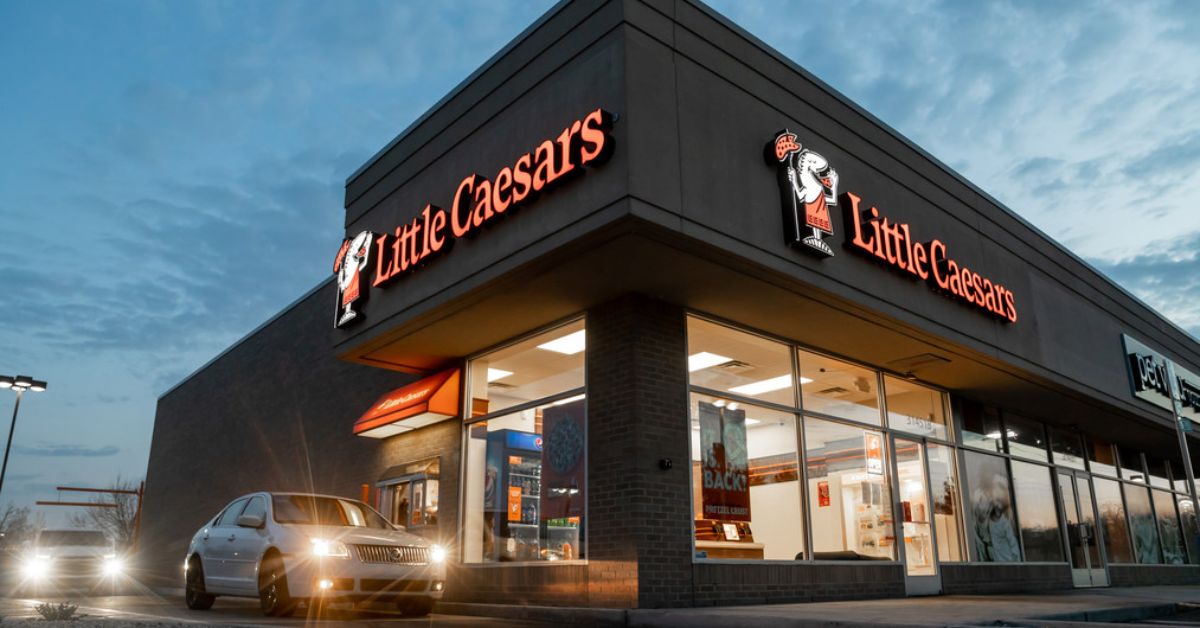
Behind every high-performing franchise location is a story of discipline, partnership, and long-term vision. In the highly competitive quick-service pizza industry, one entrepreneurial couple has quietly built a thriving Little Caesars franchise by combining operational excellence with hands-on leadership. Their journey offers valuable insights into what it truly takes to succeed as multi-unit franchise owners in today’s fast-paced food service landscape.
From day one, their approach has been rooted in consistency, community engagement, and a relentless focus on execution. Rather than chasing rapid expansion without structure, they prioritized mastering systems, understanding customer behavior, and building a strong internal culture. This mindset became the foundation for sustainable growth.
Why Little Caesars Attracts Entrepreneurial Couples
Little Caesars has long been recognized for its simplified operating model, strong brand recognition, and value-driven menu. For entrepreneurial couples looking to enter franchising together, the brand offers a unique balance of operational clarity and scalability.
The couple was drawn to the franchise because of its streamlined kitchen setup, limited menu complexity, and high-volume sales potential. These factors made it possible to divide responsibilities efficiently—one partner focusing on operations and staffing, the other managing finances, marketing execution, and performance tracking. This division of roles reduced friction and allowed the business to scale smoothly.
In an industry where margins are protected by speed and consistency, the brand’s emphasis on efficiency aligned perfectly with their business philosophy.
From First Location to Operational Maturity
Launching the first location required more than capital investment. It demanded full immersion into the day-to-day realities of franchise ownership. The couple spent extensive time on the floor, learning every station, understanding peak-hour workflows, and building trust with team members.
Early challenges included hiring reliable staff, managing food costs, and maintaining brand standards during high-volume periods. Instead of outsourcing accountability, they leaned into the process, using data and operational benchmarks to drive improvement. Over time, systems became tighter, training improved, and customer satisfaction followed.
This hands-on phase proved critical. By mastering one location before expanding further, they created a repeatable operational playbook that could be applied consistently across additional units.
The Power of Partnership in Franchise Ownership
One of the defining strengths of this success story is the couple’s partnership dynamic. Clear communication, defined responsibilities, and aligned long-term goals eliminated many of the issues that derail joint business ventures.
Decisions were made collaboratively, but execution remained disciplined. Financial planning, reinvestment strategies, and growth timelines were mapped out in advance, reducing emotional decision-making. This structure allowed them to respond quickly to market changes while staying focused on profitability.
Their partnership also created resilience. During challenging periods—staff shortages, rising costs, or operational pressure—the shared responsibility helped maintain balance and momentum.
Building a Team-First Culture
Beyond systems and processes, the couple placed strong emphasis on people. Employee retention, consistent training, and performance recognition became core pillars of their management style.
Team members were trained not just to follow procedures, but to understand why standards mattered. This approach improved accountability, reduced turnover, and created a more stable operating environment. Over time, experienced staff members stepped into leadership roles, further strengthening the business from within.
A positive internal culture translated directly into better customer experiences, reinforcing brand loyalty at the local level.
Scaling with Discipline, Not Speed
While many franchise owners rush into multi-unit expansion, this couple adopted a disciplined growth strategy. Expansion decisions were based on cash flow stability, operational readiness, and leadership depth—not just opportunity availability.
By reinvesting profits strategically and maintaining strict financial controls, they avoided overleveraging and protected long-term value. Each new location benefited from lessons learned previously, resulting in faster stabilization and stronger early performance.
This measured approach positioned the franchise portfolio for long-term sustainability rather than short-term wins.
Lessons for Aspiring Franchise Owners
Their journey offers several key takeaways for entrepreneurs considering franchise ownership. First, success is rarely passive. Even with a strong brand, active involvement is essential, especially in the early stages. Second, partnerships work best when roles are clearly defined and expectations are aligned from the start.
Finally, scalability comes from systems, not shortcuts. By focusing on execution, people, and financial discipline, franchise owners can build businesses that grow steadily and withstand market fluctuations.
A Blueprint for Long-Term Franchise Success
This Little Caesars franchise success story is not about overnight results or flashy expansion. It’s about consistency, collaboration, and commitment to operational excellence. Through strategic planning and a shared vision, this entrepreneurial couple has created a business model that delivers both profitability and stability.
For investors and aspiring franchisees, their experience reinforces a simple truth: when the right partners align with the right system and execute with discipline, franchising can become a powerful vehicle for long-term wealth creation.