
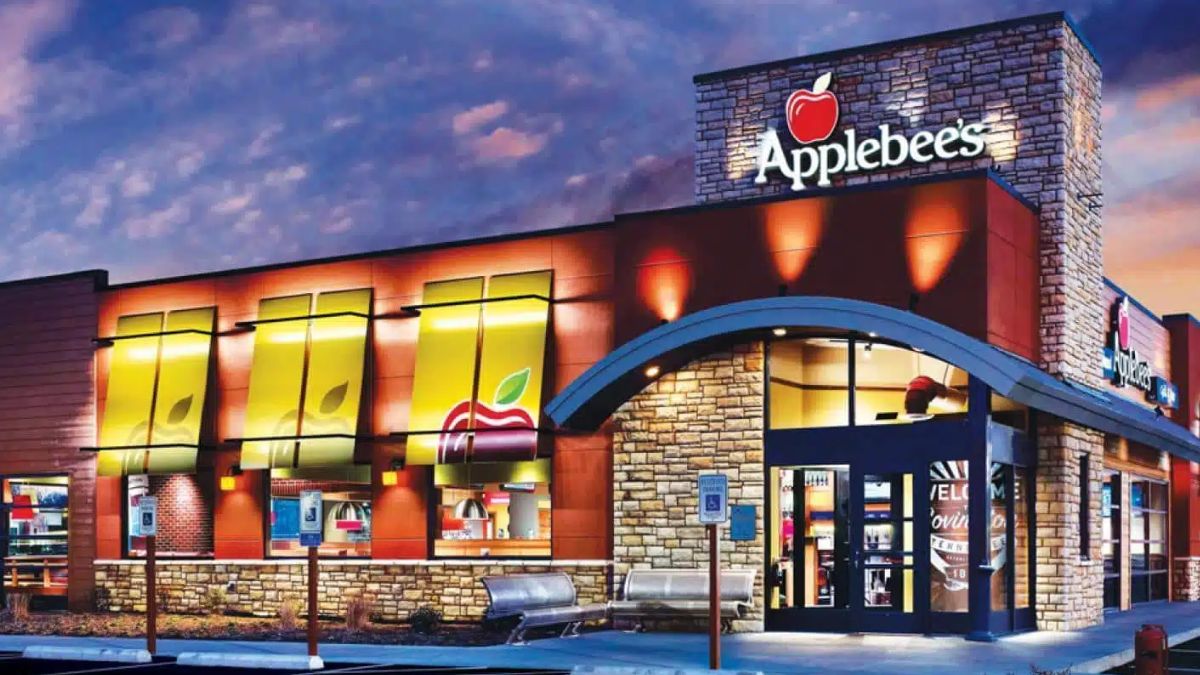
Applebee’s and Major Franchisee Clash Over Logan’s Roadhouse Deal
Legal Fight Intensifies as Franchise Expansion and Competition Collide
A major conflict inside the Applebee’s franchise system is escalating after the brand filed a counterclaim against longtime operator Sunil Dharod and SSCP Management over the acquisition of Logan’s Roadhouse.
The dispute centers on whether owning Logan’s Roadhouse violates Applebee’s franchise agreements and creates direct competition within the casual dining sector. Applebee’s is now seeking legal action that would force the franchisee group to completely divest its ownership stake in the steakhouse chain.
The case follows a separate lawsuit filed earlier by SSCP-affiliated Applebee’s operators, who accused the franchisor of violating protected territory rights through the rollout of Applebee’s-IHOP dual-branded restaurants.
Applebee’s Says Logan’s Roadhouse Creates Conflict of Interest
Applebee’s claims Dharod’s acquisition of Logan’s Roadhouse represents a material breach of the franchise agreement due to competitive overlap between the two restaurant concepts.
Dharod leads SSCP Management, a large multi-brand restaurant operator with 79 Applebee’s restaurants located across Texas, California and Virginia. The company also owns or operates brands including Roy’s, Cicis, Corner Bakery and Sonic Drive-Ins.
The dispute intensified after Logan’s Roadhouse International acquired the 115-location Logan’s chain in December. Applebee’s alleges the ownership structure directly conflicts with franchise contract provisions restricting operators from investing in competing restaurant businesses.
According to the complaint, Logan’s and Applebee’s target many of the same customers through casual dine-in experiences featuring steaks, burgers, sandwiches, seafood and alcoholic beverages.
Applebee’s argued that the competitive overlap creates ongoing harm to the brand and undermines franchise system integrity.
Franchisee Earlier Challenged Applebee’s Dual-Brand Strategy
Before the counterclaim was filed, SSCP-affiliated entities including Apple Texas and Apple Houston sued Applebee’s over the company’s expanding dual-brand development strategy with IHOP.
The franchisees claimed Applebee’s improperly approved a co-branded Applebee’s-IHOP location within territories protected under earlier development agreements.
Dine Brands, the parent company of Applebee’s and IHOP, has heavily promoted dual-brand locations in recent years. After testing the format internationally in countries including Mexico, Peru and Saudi Arabia, the company introduced the concept into the United States market in early 2025.
Applebee’s leadership defended the strategy, saying the dual-brand model supports system growth and creates new development opportunities for operators.
Dine Brands Responds to Franchisee Claims
Company leadership stated that Applebee’s continues to collaborate closely with franchisees while balancing development goals across the broader restaurant system.
Executives also indicated the franchisee involved in the lawsuit is not considered to be in good standing based on alleged contractual violations outlined in the counterclaim.
Dine Brands emphasized that expansion of the dual-brand platform remains a key long-term priority for the company.
Texas Development Rights Become Central Issue
The broader legal dispute also focuses heavily on historical development agreements covering large portions of Texas.
Court documents show Apple Texas entered the Applebee’s system in 2008 through the acquisition of 37 restaurants and secured exclusive development rights across 46 counties, including key Dallas-Fort Worth and Waco markets.
Apple Houston later acquired 21 additional locations and received development rights across another 50 counties, including Houston and Austin.
Applebee’s claims both franchise entities failed to meet required store opening commitments tied to those agreements. According to the franchisor, Apple Texas opened only one additional restaurant while closing multiple stores, and Apple Houston allegedly failed to develop any new units.
The company argues those failures resulted in termination of the development agreements and the loss of exclusive territory protections.
The franchisees disagree and maintain that amendments executed in 2022 modified the original development obligations, preserving their rights within those markets.
SSCP Says Logan’s and Applebee’s Serve Different Markets
In defending the Logan’s acquisition, the franchisee group argued the steakhouse chain operates under a substantially different business model than Applebee’s.
The filings highlighted Logan’s focus on premium steak offerings such as filet mignon, ribeye and New York strip entrees. The plaintiffs also claimed steak purchases account for roughly 60% of Logan’s customer orders compared to only about 11% at the Applebee’s locations involved in the lawsuit.
SSCP further argued that Applebee’s has previously allowed franchise operators to own other restaurant brands viewed as direct competitors without objection.
The complaint referenced examples involving franchisees connected to Logan’s Roadhouse and Bar Louie ownership.
Franchise Industry Closely Monitoring Outcome
The lawsuit could become an important case for restaurant franchising, particularly regarding non-compete enforcement, dual-brand expansion rights and multi-brand ownership structures.
As franchise operators continue diversifying investments across multiple restaurant categories, franchisors are facing increasing challenges around defining competitive boundaries within their systems.
The outcome may ultimately influence how future franchise agreements address ownership interests in competing restaurant brands.