
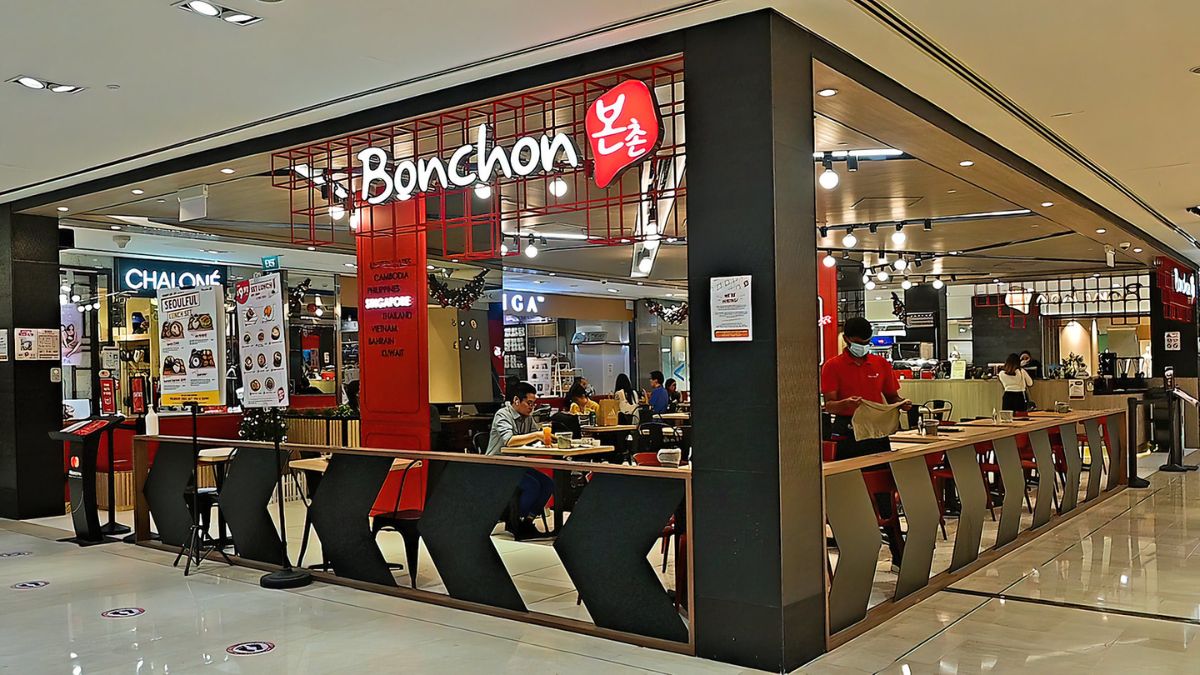
Bonchon Acquisition Sets Stage for Faster Franchise Expansion
Bonchon has spent more than two decades building an international following around Korean fried chicken. Its next challenge is considerably different: turning that brand recognition into a larger and more efficient global franchise system.
A major ownership change could help make that happen.
Minor Food and Serruya Private Equity are acquiring Bonchon, creating a new structure that divides responsibility for the growing restaurant chain geographically. Serruya Private Equity will lead Bonchon throughout the Americas, while Minor Food will control operations across the rest of the world.
The transaction puts Bonchon into the hands of investors that bring two different strengths to the table: regional investment expertise and significant restaurant operating experience.
For a brand nearing 498 global locations, that combination could provide the platform needed for its next wave of growth.
Bonchon Has Moved Beyond Being a Niche Restaurant Concept
Korean cuisine has become increasingly familiar to mainstream consumers, but Bonchon entered the category long before much of the recent attention surrounding Korean food and culture.
The company began in South Korea in 2002 and entered the American market four years later.
Today, Bonchon operates across numerous international markets and has more than 130 U.S. restaurants.
That history gives the company something many emerging restaurant concepts do not have: an established operating system and years of consumer awareness.
The opportunity now is to convert that recognition into greater market penetration.
There are still many U.S. cities where the Bonchon brand has limited or no representation, creating potential territory for future franchise development.
New Ownership May Strengthen Bonchon’s Franchise Infrastructure
Growing from 130+ U.S. restaurants into a significantly larger system requires more than signing franchise agreements.
Real estate, construction, supply chain logistics, training, field support, technology and marketing all become more complicated as a restaurant franchise expands.
This is where Bonchon’s ownership change could become particularly significant.
Serruya Private Equity is positioned to concentrate on development throughout the Americas, including opportunities beyond the United States.
Greater restaurant density could eventually create stronger purchasing economics, more efficient distribution and better marketing leverage for franchise operators.
For Bonchon, scale is not simply about having more restaurants. It can also improve the economics and support systems behind each location.
Bonchon Is Making Its Franchise Model More Flexible
One of the more important changes in Bonchon’s development strategy has been its move toward smaller restaurant formats.
The brand has introduced a fast-casual prototype occupying less than 2,000 square feet, creating an alternative to larger dine-in restaurants.
Smaller footprints can give franchise operators several advantages.
They may require less space, potentially reduce certain construction costs and make it easier to enter urban or high-demand trade areas where large restaurant sites are difficult to secure.
Bonchon has also operated delivery-and-carryout restaurants and remote kitchen formats, giving the company multiple ways to enter a market.
That flexibility could become a valuable advantage as restaurant real estate and development costs remain major concerns for franchise investors.
Unit Performance Shows Why Operators Are Watching the Brand
Bonchon enters the ownership transition with established restaurant performance across several operating formats.
For mature franchised restaurants operating throughout 2025, dine-in units reported average gross revenue of approximately $1.6 million.
Mature fast-casual restaurants averaged slightly above $1 million, while the company’s other smaller-format models also approached or exceeded the million-dollar range depending on the format.
Financial performance varies significantly by restaurant and should never be viewed as a guarantee, but the numbers help explain why Bonchon is increasingly focused on experienced multi-unit operators.
The company wants franchisees capable of building long-term market presence rather than simply opening a single restaurant.
Better Franchisees May Matter More Than More Franchisees
Bonchon’s leadership has taken a selective approach to franchise recruitment.
That may appear counterintuitive for a chain planning significant expansion, but rapid franchise sales can create problems if operators lack sufficient capital, operating experience or infrastructure.
Bonchon has increasingly targeted sophisticated restaurant operators capable of developing several units.
Its franchise candidate requirements reflect that approach, with significant liquidity and net worth expectations for multi-unit development.
For the brand, saying no to weaker candidates may ultimately support faster long-term expansion by reducing operational problems later.
The strongest franchise networks are generally built around operators who can execute consistently, reinvest in their businesses and develop additional locations.
Menu Development Is Helping Bonchon Stay Relevant
Bonchon’s development strategy is not limited to franchise sales.
Product innovation has become another important part of its growth plan.
While the company’s double-fried Korean chicken remains the centerpiece, Bonchon has introduced rotating limited-time products and expanded Korean-inspired menu offerings.
In 2026, that strategy included new katsu-based dishes and additional Korean flavors.
Limited-time offers serve several purposes for restaurant brands.
They create marketing opportunities, encourage existing customers to return and allow companies to test products without permanently expanding an already complicated menu.
For Bonchon, new products also give customers a broader introduction to Korean cuisine.
The strategy allows the company to remain innovative without abandoning the chicken and sauces responsible for building its reputation.
Minor Food Adds Restaurant Experience to Bonchon’s International Strategy
Minor Food is not entering the transaction as an outsider.
The organization has already operated Bonchon restaurants as a major franchise partner in Thailand.
That relationship means Minor Food has firsthand experience with restaurant operations, customer demand and the brand’s franchise system.
Its broader restaurant portfolio and international infrastructure could become particularly valuable as Bonchon expands across Asia and additional overseas markets.
The combination of an experienced international restaurant operator and an Americas-focused investment partner gives Bonchon a distinctive ownership structure.
Each group can concentrate on the regions where it may be best positioned to accelerate development.
What Comes Next for Bonchon?
The Bonchon acquisition does not appear to be about changing the identity of the restaurant chain.
It is about scaling it.
The company already has the core ingredients: a differentiated product, an international footprint, an established franchise model and growing consumer familiarity with Korean food.
Its challenge is turning those strengths into hundreds of additional successful restaurants without weakening product quality or franchise economics.
Smaller prototypes, more selective franchise recruiting, stronger development leadership and expanded ownership resources suggest Bonchon is preparing for that transition.
If the new owners can maintain the brand’s food quality while creating greater operating efficiencies for franchise partners, Bonchon may be positioned to become an even larger force in the global chicken franchise category.
For franchise investors, the next several years should reveal whether Bonchon can successfully move from an established international concept to a substantially larger mainstream restaurant franchise.
Discover more about Bonchon Korean Fried Chicken Franchise opportunities.