
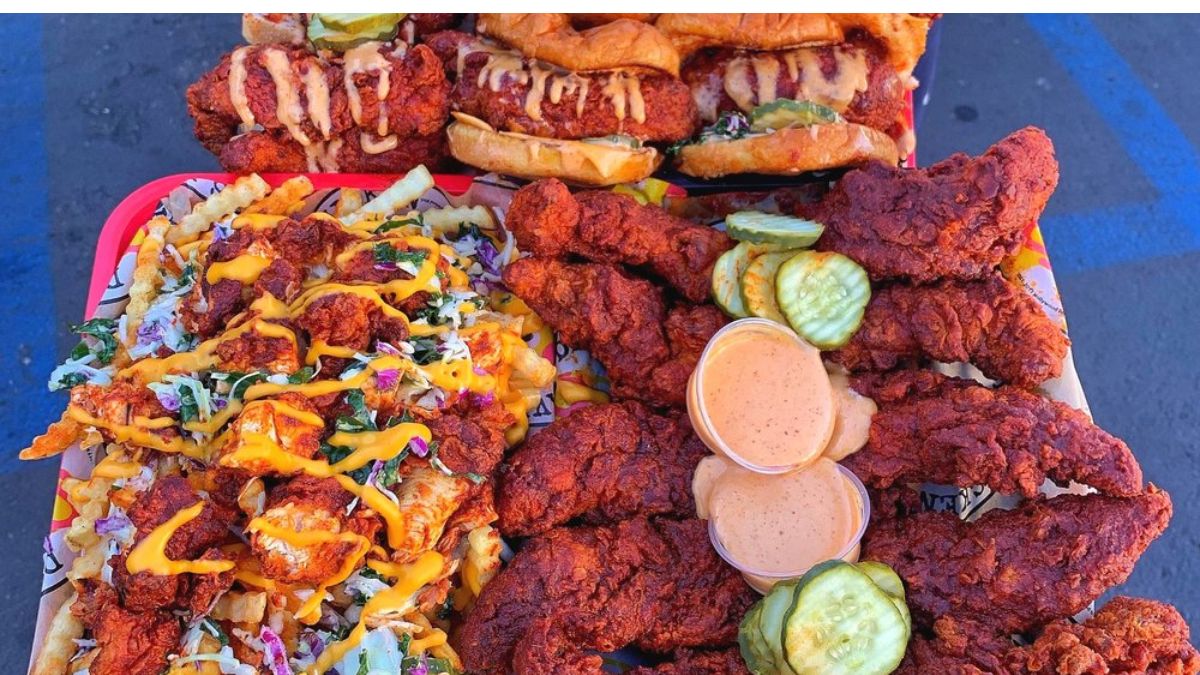
Debt Structure and Lender Dispute Put TIG Restaurant Portfolio Into Restructuring
The rapid expansion of a franchise portfolio can create significant enterprise value, but it can also produce complicated financing relationships when multiple brands, lenders and operating entities become interconnected.
That challenge is now playing out at The Integritty Group.
Four entities connected to TIG’s Dave’s Hot Chicken portfolio filed for Chapter 11 bankruptcy protection on September 21, 2026, following an escalating dispute with Bank Midwest.
The operators are attempting to preserve seven functioning Dave’s Hot Chicken restaurants while challenging the lender’s position regarding approximately $10 million in financing tied to the businesses.
At the same time, the franchisee alleges that the lending dispute disrupted a potential transaction that could have valued the restaurant portfolio at roughly $30 million.
Bankruptcy Focuses Only on Dave’s Hot Chicken Entities
The restructuring should not be confused with a bankruptcy of Dave’s Hot Chicken itself.
TIG Reaper LLC and three affiliated entities are independent franchise businesses operating Dave’s locations in Pennsylvania, New Jersey and Delaware.
The Integritty Group has a much broader multi-brand portfolio.
TIG has been involved with Qdoba, Checkers, The Greene Turtle Sports Bar and Grille and other concepts. It has also pursued development agreements with brands including PayMore and Ford’s Garage.
Those businesses are separate from the Chapter 11 cases involving the Dave’s entities.
Within the affected portfolio, seven restaurants are operating and another three locations were reported to be in advanced development.
Nearly 200 employees are associated with the debtor businesses.
How the Financing Relationship Developed
Bank Midwest began financing TIG Reaper in August 2024.
The initial structure included a $1.65 million term loan and a revolving or drawdown credit facility. The credit facility was later expanded, bringing the total financing associated with the Dave’s entities to approximately $10 million.
Separately, the bank also financed numerous entities connected to TIG’s Qdoba restaurant portfolio.
Those Qdoba-related businesses later entered a receivership process.
The disagreement now centers partly on whether financial obligations associated with those separate entities can affect Bank Midwest’s rights against TIG’s Dave’s Hot Chicken companies.
Bank Midwest pursued legal action alleging defaults and sought the appointment of a receiver over the Dave’s businesses.
The franchise operator rejects that characterization.
According to the debtors, payments on the Dave’s financing were current and their companies had not guaranteed the obligations of the separate Qdoba businesses.
The bankruptcy court will now have to evaluate the contracts, security agreements and competing interpretations presented by each side.
Proposed $30 Million Sale Becomes Key Part of Dispute
One of the most significant allegations involves TIG’s attempt to sell its Dave’s Hot Chicken restaurant portfolio.
The franchisee says it had received an offer of approximately $30 million before the lender dispute intensified.
At that valuation, the proposed transaction could potentially have generated enough proceeds to satisfy the debt associated with the Dave’s entities.
TIG alleges that Bank Midwest’s actions, including efforts to obtain a receiver, created uncertainty among prospective buyers.
The operator says that after potential purchasers became aware of the dispute, the value of an offer fell dramatically.
TIG is now seeking damages and other relief from Bank Midwest through a separate adversary complaint filed alongside the bankruptcy proceedings.
The lender dispute remains unresolved, and the allegations from TIG represent one side of an ongoing court case.
Chapter 11 Allows Restaurants to Continue Operating
Chapter 11 is generally designed to provide businesses with an opportunity to reorganize rather than immediately liquidate.
For restaurant operators, the bankruptcy process can temporarily stabilize the business while management deals with debt, leases, secured lenders and other liabilities.
TIG’s proposed restructuring strategy focuses on keeping its seven operating Dave’s restaurants open.
The franchisee has asked the court for authority to continue paying ordinary business expenses such as employee wages, rent, utilities, insurance and food suppliers.
The operators have also indicated that they are current on franchise fees and royalties owed to Dave’s Hot Chicken.
Maintaining that relationship will be critical because franchise agreements are among the most valuable operating assets within a franchised restaurant business.
Owners Provide Additional Bankruptcy Financing
TIG’s principals have committed approximately $200,000 in debtor-in-possession financing.
DIP financing provides liquidity to a company while it operates under Chapter 11 protection.
The businesses also reported approximately $325,000 in combined cash, cash in transit and inventory.
Another financial complication involves close to $100,000 that the operators say has been frozen through processing relationships involving DoorDash and Stripe following demands from another financing provider.
Restoring access to those funds could improve short-term liquidity during the restructuring.
Merchant Cash Advances Add Another Layer
Traditional bank loans were not the only source of outside funding used by the operators.
The businesses also obtained approximately $305,000 through merchant cash advance arrangements.
Unlike conventional loans with traditional principal and interest schedules, merchant cash advance providers typically recover money from future business receipts.
For restaurants processing large volumes of credit card transactions, repayments can be collected directly from incoming sales.
This financing structure can be useful when conventional capital is difficult to obtain, but it can also reduce available daily cash flow.
When combined with restaurant leases, equipment financing, franchise royalties, payroll and secured bank debt, the result can be a highly leveraged operating structure.
Why Multi-Brand Operators Need to Watch Cross-Default Risk
The case illustrates an important consideration for franchise groups expanding across several concepts.
Multi-unit franchisees often create separate legal entities for different restaurants or brands.
From an operational perspective, those entities may appear independent.
From a lending perspective, however, loan documents can contain guarantees, cross-default provisions, collateral arrangements and other rights that connect multiple businesses.
A financial problem affecting one group of restaurants can therefore create consequences for another portfolio depending on how financing agreements were written.
This is why sophisticated franchise development should include capital-structure planning alongside site selection and unit economics.
Growth alone does not protect an operator from balance-sheet risk.
Dave’s Hot Chicken Continues Broader Expansion
The bankruptcy does not represent a restructuring of the Dave’s Hot Chicken franchise system.
Dave’s corporate has characterized the matter as a financial dispute between an independent franchisee and its lender.
The affected restaurants remain operational.
Meanwhile, Dave’s Hot Chicken has continued expanding internationally and across the United States.
The brand grew from a Los Angeles parking-lot concept launched in 2017 into a global restaurant system with more than 400 locations by 2026.
Its growth attracted major institutional investment, with Roark becoming involved with the company in 2025 as the brand entered its next expansion phase.
The contrast reinforces an important franchise investing principle: strong brand-level momentum does not automatically eliminate financial risk at the franchisee level.
What Franchise Operators Can Learn From the TIG Case
Franchise development requires more than identifying a strong concept and opening locations quickly.
Operators must also manage leverage, working capital, corporate guarantees, liquidity and lender relationships.
As restaurant groups become larger, financing documents can become as important to long-term stability as restaurant-level profitability.
The TIG case will now move through Chapter 11 while the franchisee seeks to keep its restaurants operating and challenge Bank Midwest’s legal position.
The ultimate outcome remains unresolved.
For multi-unit franchise operators, however, the case already provides a useful reminder: growth strategies should be built around sustainable capital structures capable of surviving unexpected disputes, temporary cash-flow pressure and changes in lender relationships.
Discover more about Dave’s Hot Chicken Franchise opportunities.