
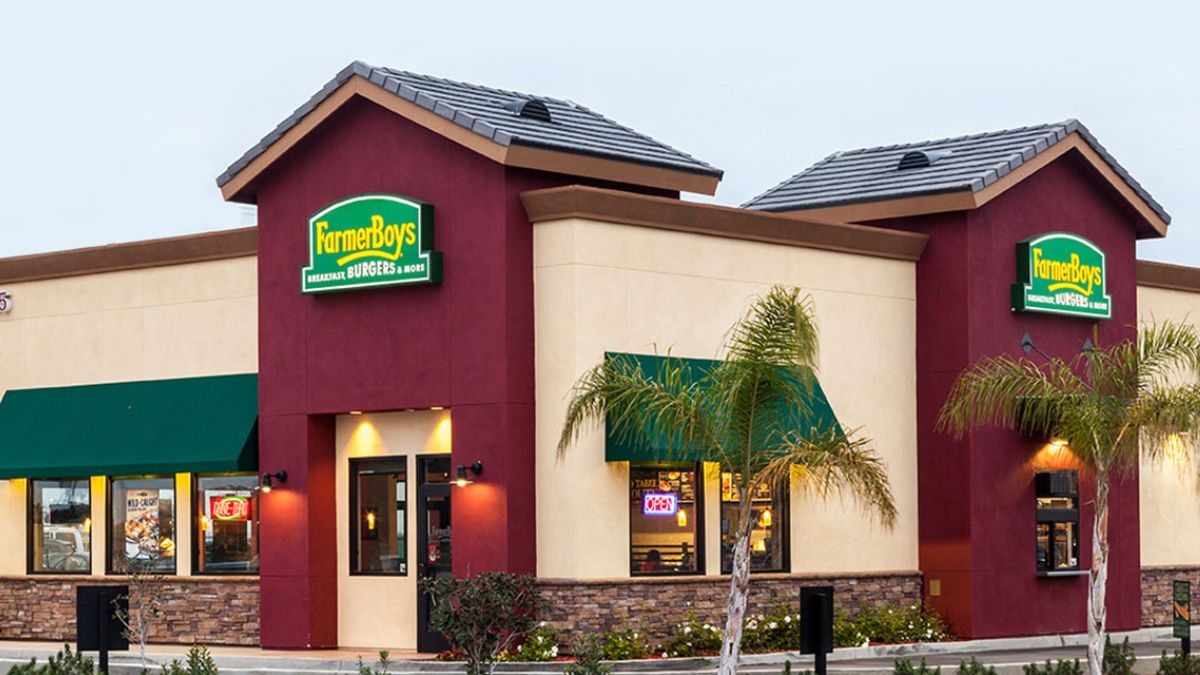
Farmer Boys Uses Experienced Franchise Partners to Build New Markets
For restaurant franchises pursuing sustainable expansion, signing new franchisees is only part of the growth equation. Another valuable signal is what existing operators decide to do after experiencing the business firsthand.
Farmer Boys is seeing growth from franchise partners who are choosing to expand their portfolios.
The fast-casual restaurant company has recently added locations in Arizona and California through experienced multi-unit operators, strengthening the brand in both developing and established territories.
With more than 100 restaurants across California, Nevada and Arizona, Farmer Boys is using seasoned franchise partners as an important component of its expansion strategy.
Existing Operators Provide a Platform for Scalable Growth
Multi-unit franchise development can offer several strategic advantages to a growing restaurant system.
An operator who already runs the concept understands its staffing requirements, food preparation processes, technology, customer expectations and day-to-day operating standards.
That experience can become especially valuable when the same franchisee opens additional locations or helps establish the brand in a developing market.
Farmer Boys’ recent growth provides two examples.
In Arizona, longtime franchisee Omar Mawas continues to increase his portfolio. In California, restaurant veteran Dilip Bhavnani has opened another Farmer Boys location after more than two decades with the system
Arizona Emerges as a Growth Market for Farmer Boys
Farmer Boys entered Arizona in 2021 with a Gilbert restaurant operated by Mawas, who had already accumulated years of experience with the brand in California.
Mawas initially became a Farmer Boys franchisee in 2007.
His expansion into Arizona helped give the company an experienced operator as it moved beyond its core California market.
That relationship has continued to grow.
A Farmer Boys restaurant opened in Mesa in August, increasing the brand’s Arizona footprint to six locations. Mawas now operates nine Farmer Boys restaurants and has another four locations under development.
His portfolio extends across Arizona and major Southern California markets, including Los Angeles and San Diego.
From a franchise development perspective, the expansion illustrates the potential value of retaining successful operators and providing them with opportunities to grow.
Farmer Boys Returns to Cathedral City
The company’s California development tells a different but equally relevant growth story.
Farmer Boys opened a restaurant in Cathedral City in April, marking its first new opening in the Coachella Valley in more than two decades.
The location is operated by Dilip Bhavnani, a restaurant industry veteran with more than 30 years of experience.
Bhavnani became a Farmer Boys franchisee in 2003 with a restaurant in Pomona. His portfolio has since expanded to include locations in Chino and Huntington Beach.
Cathedral City represents his fourth Farmer Boys restaurant.
The opening gives the brand another presence in the Coachella Valley while establishing a platform for potential future expansion throughout the region.
Why Multi-Unit Operators Matter to Franchise Systems
Restaurant franchising becomes increasingly complex as brands expand geographically.
Opening a location requires more than finding a franchise buyer. Successful development also involves site selection, construction, hiring, training, local marketing, supply-chain execution and consistent operating standards.
Operators who have already navigated that process can potentially repeat it more efficiently as they grow.
That makes franchisee retention particularly important.
When established franchisees continue investing capital into additional units, a franchisor gains operators who are already familiar with the business rather than beginning the relationship from zero.
For Farmer Boys, the expansion activity from Mawas and Bhavnani demonstrates how longtime franchise relationships can evolve into multi-unit development.
A Differentiated Position in Fast-Casual Dining
Farmer Boys has spent decades building its identity around fresh, made-to-order meals.
The brand was founded in Southern California in 1981 by brothers whose background included growing up on a family farm in Cyprus and working in their family’s restaurant.
Those roots influenced the concept’s farm-oriented branding and focus on freshness.
The menu includes burgers made with never-frozen beef, salads prepared with fresh produce, all-day breakfast options featuring cage-free eggs and hand-prepared sides such as zucchini sticks and onion rings.
Restaurants also provide multiple ordering channels, including dine-in, drive-thru and online ordering.
That combination allows Farmer Boys to compete across several restaurant occasions, from breakfast through lunch and dinner.
Brand Longevity Can Support Franchise Recruitment
Longevity can also play a role when established restaurant operators evaluate franchise opportunities.
Farmer Boys has operated for more than 45 years, giving prospective franchisees an extensive operating history to evaluate.
The brand’s footprint has grown beyond California into Nevada and Arizona while maintaining a strong concentration in Western markets.
Farmer Boys is also structured to accommodate different levels of franchise ownership, including single-unit, multi-unit and larger enterprise operators.
That flexibility can create a development pathway in which franchisees begin with a smaller portfolio and potentially expand as they gain experience with the system.
Farmer Boys’ Growth Strategy Takes Shape
The company’s latest development activity suggests Farmer Boys is not pursuing growth based solely on restaurant count.
Its expansion is increasingly connected to experienced operators capable of building multiple locations and entering strategic territories.
Mawas’ development in Arizona demonstrates how an existing franchisee can help establish a brand in a newer state. Bhavnani’s Cathedral City opening shows how a veteran operator can help reactivate development in an established region.
For franchisors, the broader lesson is significant.
Franchise growth is not only about recruiting more owners. Building relationships with operators who have the resources, experience and confidence to expand can create another avenue for long-term development.
As Farmer Boys continues looking for growth opportunities, its experienced franchise community could become one of the strongest tools available for scaling the brand across additional Western markets.
Discover more about Farmer Boys Franchise opportunities.