
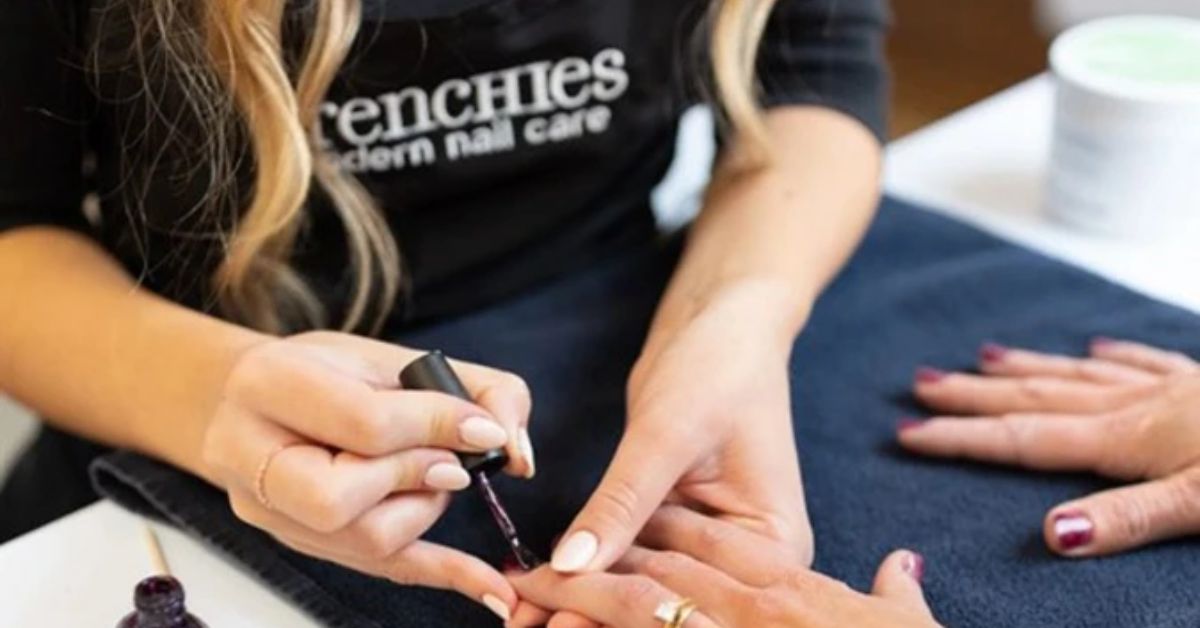
Why a Corporate Executive Entered the Nail Franchise Industry
Amit Shah did not come from the beauty world. His credentials included an MBA in strategy and finance, plus more than 20 years of experience in manufacturing, turnaround consulting, financial services, and healthcare. Still, he was drawn toward franchising and identified beauty services as an industry with strong resilience.
The logic was simple. During slower economies, consumers often reduce major purchases while continuing to spend on smaller indulgences such as haircuts and manicures. Affordable self-care remains attractive because it is accessible and emotionally valuable.
After extensive due diligence, Shah chose Frenchies Modern Nail Care. He opened his first Pittsburgh studio in 2019 and now owns five locations in four states.
Why Frenchies Stood Out
Shah was impressed by the brand’s positioning and promise: Nail Care, Elevated.
He also recognized that Frenchies directly addresses rising concerns over sanitation standards and chemical exposure within the nail salon sector. The company’s clean beauty focus goes beyond marketing language.
Rather than the traditional salon experience of strong odors and harsh fumes, guests walk into a fresh environment described by the brand as “clean squared.”
Shah says the concept separated itself through:
- Cleaner, non-toxic products
- Ethical operating standards
- Elevated customer service
- Operational simplicity
- Positive guest outcomes
Brand Origins and Mission
Frenchies Modern Nail Care was founded by Guy and Stephanie Coffey. Their first location opened in 2014 in Littleton, Colorado.
Their mission was clear: create a high-quality, non-toxic nail care brand in a setting that protects both clients and employees.
Studios include several key operational standards:
- Clean, bright, open design
- Autoclave sterilization systems
- No reused nail files or similar tools
- No jet foot baths that are difficult to sanitize
- Air purification technology
Shah also says he connected strongly with the founders and leadership team because of their people-first philosophy.
Finding the Right Partner
As Shah expanded, he was searching for a new manager for his first salon when he met Toni Carrecia. Instead of simply hiring a manager, he found a strategic partner.
Her resume caught his attention because she openly identified herself as the mother of a disabled child. Shah saw that experience as proof of leadership traits many employers overlook.
Those traits included:
- Patience
- Perspective
- Resilience
He also valued her formal background, including Aveda business system training and undergraduate studies at NYU.
Carrecia says Shah was the reason she joined the business. She describes him as calm under pressure, deeply supportive of others, and someone who always helps people find solutions.
Dividing Responsibilities for Growth
The partnership works because both leaders focus on different strengths.
- Shah leads strategic planning and growth initiatives
- Carrecia leads people strategy, culture, and operations
- Both align on performance and team success
Strong Industry Fundamentals
Shah is realistic about the risks of franchise ownership. He says operators need to understand that rewards may be capped while downside risk can be significant if execution is poor.
Still, the category remains attractive. In 2025, the nail salon industry was estimated between $12 billion and $25 billion.
Projected annual growth ranges include:
- 2.45%
- 8.3%
- 8% cited in earlier labor data
At the same time, the market remains highly fragmented, with the top four players holding only 0.06% share.
Affordable Luxury Drives Repeat Visits
Many consumers now view manicures as regular self-care rather than occasional splurges.
Frenchies captures that demand by offering:
- Upscale salon experiences
- Pricing below luxury spa levels
- Membership programs
- Scheduling apps
- Convenience and retention tools
Reinvesting for Long-Term Scale
Shah says he does not currently take a paycheck because he sees franchising as an investment portfolio rather than a short-term income source.
His focus remains on:
- Forecasting aggressively
- Reinvesting strategically
- Building systems
- Strengthening operations
- Scaling sustainably
He says expanding to five locations while reinvesting in the team reflects long-term commitment.
Lessons From Adversity
The business also faced challenges during the COVID-19 pandemic. Shah says progress came by learning from fellow franchisees and working closely with the franchisor to improve processes faster.
Measuring Success Beyond Revenue
For Shah, some of the most meaningful wins come from helping employees improve their lives.
Examples include:
- Moving to better school districts
- Buying a first vehicle
- Purchasing a first home
- Securing medical support for a child
Final Analysis
Amit Shah’s story highlights how experienced operators can apply business fundamentals to a service franchise and scale successfully with the right model.