
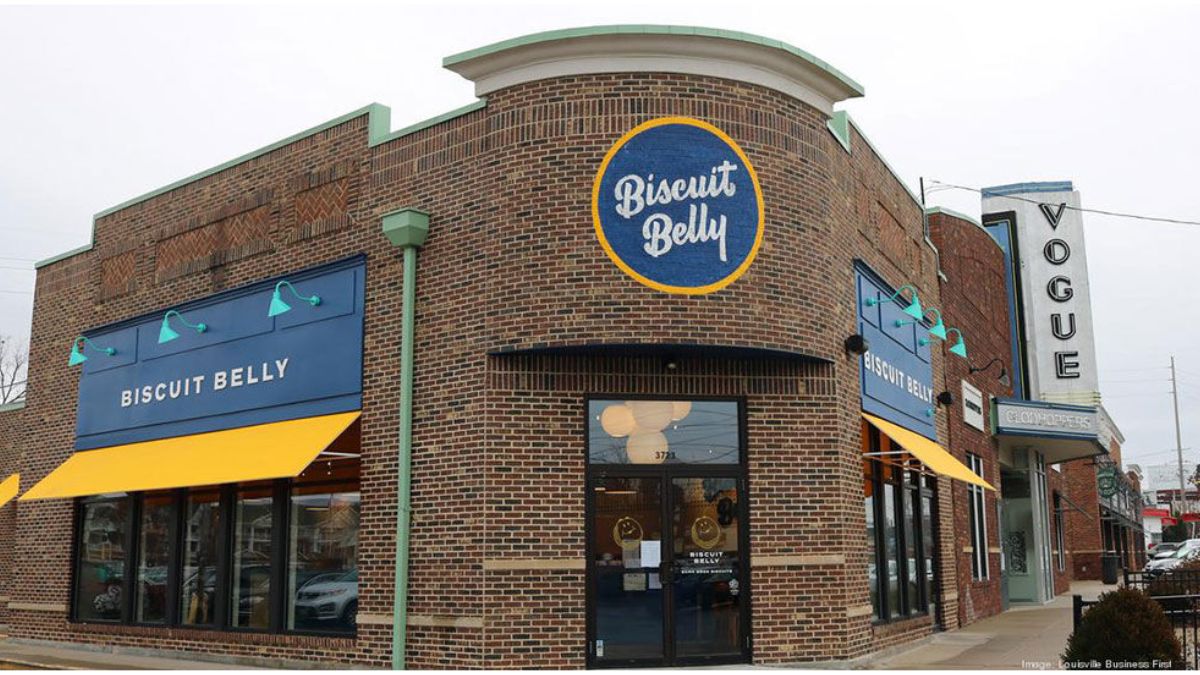
When traditional restaurant development became difficult, Biscuit Belly found another route to growth.
The breakfast concept has acquired Maple Street Biscuit Company, adding 35 restaurants to its existing 15-unit operation. The deal takes Biscuit Belly to approximately 50 locations and places its goal of exceeding 60 restaurants by the end of 2028 within much closer reach.
The purchase price and other financial terms were not announced.
Real Estate Challenges Led to a New Growth Strategy
Restaurant expansion often depends on securing the right property at the right price. For Biscuit Belly, finding suitable locations had become one of the biggest obstacles to growth.
Opening a restaurant through conventional development requires site selection, lease negotiations, design approvals, construction and staffing. Completing that process repeatedly can take years, especially in competitive markets.
Co-founders Chad and Lauren Coulter began looking for a more efficient way to expand. Acquiring Maple Street provided access to 35 operating restaurants at once, allowing Biscuit Belly to grow its physical network without developing every location individually.
The deal demonstrates how acquisitions can help emerging restaurant brands overcome limited real estate availability and accelerate their market entry.
Similar Restaurant Sizes Make Conversion More Practical
Maple Street’s properties were especially attractive because many are close to Biscuit Belly’s preferred restaurant size.
Biscuit Belly usually operates in spaces measuring approximately 2,800 to 3,000 square feet. Most Maple Street restaurants have comparable footprints, while several locations range from approximately 3,000 to 4,000 square feet.
That similarity is important. Converting restaurants with compatible kitchens, dining rooms and overall layouts can be more manageable than taking over spaces designed for completely different uses.
It may also allow Biscuit Belly to direct more resources toward branding, equipment, technology and restaurant improvements instead of extensive structural redevelopment.
Biscuit Belly Identified the Right Moment
Maple Street Biscuit Company had been part of Cracker Barrel since 2019, when the company acquired it for $36 million in an all-cash deal.
After examining Cracker Barrel’s publicly discussed business performance and priorities, Biscuit Belly’s founders believed the larger company might be interested in concentrating on its core brand.
That created an opening for the Coulters to pursue Maple Street as an acquisition opportunity.
The result is a transaction that gives Biscuit Belly an immediate network of restaurants, particularly across the southeastern United States, where Maple Street has built much of its presence.
A Two-Year Conversion Plan
The first conversions are scheduled to begin in January. Biscuit Belly expects the complete process to require approximately 18 to 24 months.
The company does not plan to rush every restaurant into the new identity at once. Before conversions begin, its leadership team is assessing individual locations and addressing immediate maintenance or operational needs.
Some restaurants may need relatively straightforward improvements, including painting, ceiling repairs, dishwashing equipment or other back-of-house updates.
This location-by-location approach gives the company time to understand the condition and needs of each restaurant before making larger investments.
The acquired units are expected to remain under corporate ownership rather than being immediately refranchised.
Building the Infrastructure for a Larger Company
Tripling the size of a restaurant business requires more than new signs and updated menus. Biscuit Belly must now develop the internal capacity to support approximately 50 locations.
The company has already expanded its leadership and support teams, with additional hiring in accounting, human resources and restaurant operations.
It is also assembling construction and project management resources to coordinate the conversion program. With dozens of restaurants involved, Biscuit Belly needs experienced professionals who can establish timelines, manage contractors and maintain consistency across different markets.
For the founders, this expansion also creates an opportunity to delegate responsibilities that were previously handled internally as part of running a smaller company.
Bringing Two Operating Systems Together
Technology and system integration may be among the most demanding parts of the acquisition.
Maple Street previously benefited from the infrastructure of Cracker Barrel, a much larger public restaurant company. Biscuit Belly operates with a more streamlined technology environment that reflects its smaller historical footprint.
The challenge will be bringing locations onto Biscuit Belly’s platforms without disrupting employees, payments or daily restaurant operations.
Although its systems are less extensive, the company believes it has the essential tools required to manage the larger operation. Successful execution will depend on clear processes, training and consistent support throughout the conversion period.
Culture Can Determine the Outcome
Operational systems matter, but Biscuit Belly is placing equal importance on the people already working inside the acquired restaurants.
Lauren and Chad Coulter have been travelling to Maple Street locations to meet managers and employees directly. These visits help leadership understand what is happening inside each restaurant and provide employees with clearer information about the transition.
The early priorities are basic but essential: ensuring employees are paid, answering their questions and giving restaurant teams the support they need.
Maintaining trust during a major ownership and brand change can affect retention, service quality and customer experience. Biscuit Belly’s direct involvement may help reduce uncertainty and create greater engagement among existing teams.
A Major Test of Biscuit Belly’s Growth Platform
The acquisition gives Biscuit Belly scale, but the next phase will determine whether that scale can be converted into sustainable growth.
Its leadership must integrate systems, strengthen restaurant performance, retain employees and complete dozens of conversions while protecting the personality of the Biscuit Belly brand.
If the strategy works, the company will have achieved in one transaction what could have taken several years through traditional development. The deal also provides Biscuit Belly with a stronger regional foundation as it works toward its 2028 expansion objective.
For growing restaurant concepts, the transaction offers a valuable lesson: when real estate becomes a barrier, acquiring a compatible operating network can provide a faster path forward.
Discover more about Biscuit Belly franchise opportunities.