
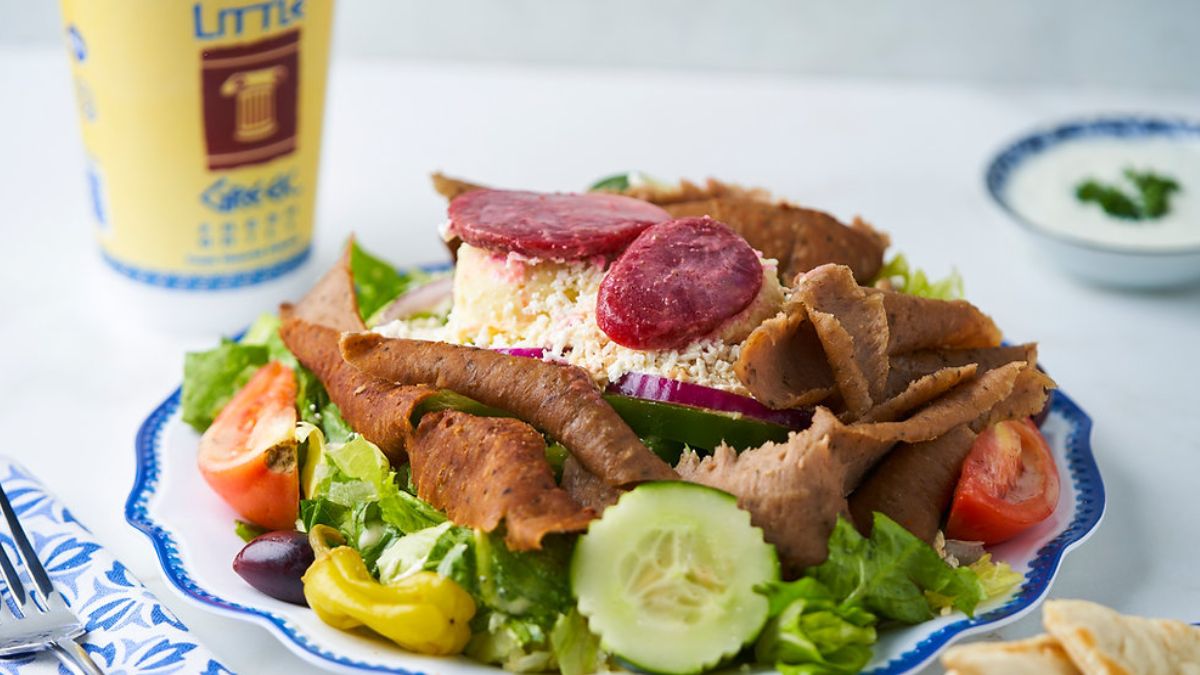
Little Greek’s Express Strategy Shows How Existing Restaurants Can Pursue More Revenue
Little Greek’s partnership with Westshore Pizza offers a practical example of restaurant expansion through an existing operation.
At a Clearwater, Florida, location, the introduction of Little Greek Express was followed by a reported 43% increase in sales. The arrangement added a Mediterranean offering within a restaurant already serving customers.
The result is an encouraging example for operators considering a complementary food concept. It also creates a useful business discussion about kitchen capacity, customer demand and the actual cost of generating additional revenue.
Start With the Resources Already Available
A restaurant may have equipment, preparation space or operating hours that are not being used to their full potential.
Adding another concept could create value from those resources. However, unused capacity must be measured carefully.
A kitchen that appears spacious during the afternoon may already be fully occupied during dinner. Refrigeration that accommodates normal inventory may struggle when another menu introduces new ingredients. Employees who can manage a quiet trial period may need additional support as order volume grows.
The first step is an operational assessment of the existing business.
Owners need to identify where capacity is genuinely available and where expansion would require spending.
A Complementary Menu Must Earn Its Place
An additional cuisine can give customers another reason to order from a restaurant. The strongest fit is one that serves a clear customer need while remaining manageable for the team.
In Little Greek’s case, the Express partnership introduces Mediterranean food alongside an established pizza operation.
The broader business lesson is that menu expansion works best when the added choice has a defined purpose. Owners should be able to explain who will buy it, when they will order and how the kitchen will prepare it efficiently.
Without that clarity, a second concept can add complexity faster than it adds value.
Measure the Contribution Behind the Sales Increase
The reported Clearwater sales improvement describes one location’s experience. It does not establish the profit an operator elsewhere would earn.
To assess a similar arrangement, owners need to calculate how much additional revenue remains after the associated expenses.
Relevant costs include ingredients, packaging, labour, delivery commissions, equipment and any applicable brand fees. Management time also matters, especially if the added concept increases scheduling, purchasing or training demands.
Another useful measure is whether the original business continues to perform well. Additional orders should be evaluated alongside service times, customer complaints and the performance of existing menu items.
Build a Repeatable Operating Process
A successful pilot needs more than customer interest before it can be expanded.
Recipes must be documented. Employees need clear preparation responsibilities. Inventory systems must distinguish between ingredients that can be shared and those requiring separate controls.
Owners also need a reliable way to track each concept’s sales and costs.
Little Greek’s Express initiative illustrates a growth option worth examining: using an established restaurant as the setting for a complementary offering. Whether that approach creates lasting value depends on disciplined execution and the economics of each location.
Discover more about Little Greek Fresh Grill Franchise opportunities.