
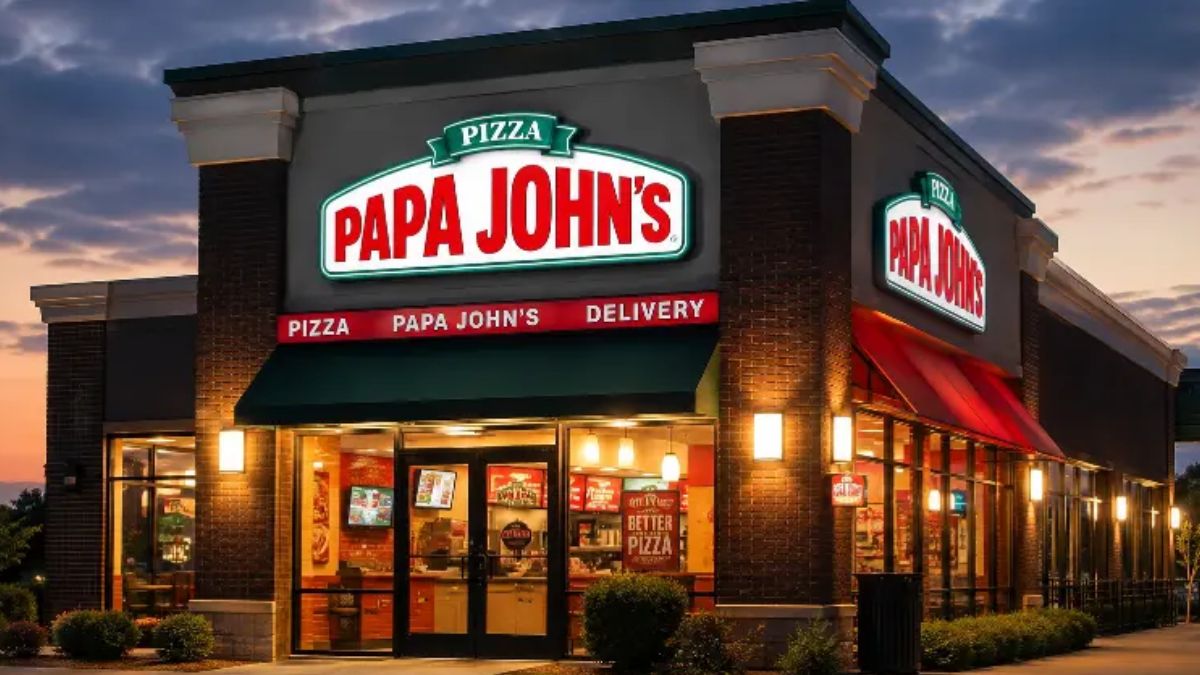
Papa Johns Orlando Sale Signals a More Franchise-Led Growth Strategy
Papa Johns is taking a different approach to growth as the pizza company works to improve performance across its North American restaurant network.
The latest example is the sale of 28 company-operated restaurants in the Orlando market to franchise organizations controlled by Wade Oney.
PZZA Group and Magic City Pizzerias have now taken ownership of the locations, expanding Oney’s Papa Johns portfolio to more than 120 restaurants.
While the transaction increases the size of one franchisee’s business, it also reveals something larger about Papa Johns’ current strategy: the company wants experienced operators to take greater responsibility for restaurant ownership and market development.
Papa Johns Turns to an Operator With Decades of Experience
Wade Oney is far from a newcomer to the Papa Johns system.
His experience with the brand stretches across both corporate leadership and franchise ownership.
Oney previously served for six years as chief operations officer of Papa Johns and participated in a period when the restaurant system expanded beyond 2,000 locations.
He eventually moved into franchise ownership and developed a large portfolio across multiple markets.
His organizations remained active developers as recently as 2025, when they opened 10 Papa Johns restaurants across Central and South Florida.
The Orlando acquisition adds 28 operating restaurants at once, giving the organization greater market density without requiring every new location to be built from the ground up.
Orlando Deal Was Valued at About $10.8 Million
Papa Johns initially agreed to sell the Orlando restaurants on June 13, 2026.
The approximately $10.8 million transaction covered 28 company-owned restaurants in the Orlando metropolitan area, with the final amount subject to normal transaction expenses and post-closing adjustments.
The sale was completed in August.
For Papa Johns, converting the restaurants to franchise ownership changes the economics of the market.
Instead of being responsible for directly operating each store, the company now receives franchise-related revenue while the franchise organizations assume responsibility for restaurant operations and investment.
That type of structure can help a franchisor reduce the amount of capital tied to restaurant operations and concentrate resources on functions that support the broader system.
Another Franchise Partnership Was Announced in Mexico
The Orlando transaction was not Papa Johns’ only franchise development in late August.
Just one day earlier, the company announced KM Capital as its new franchise partner in Mexico. KM Capital will take leadership of 44 existing franchised Papa Johns restaurants in the country, with plans centered on commercial growth, better operations, continued investment and future restaurant development.
Mexico is considered a priority international market for Papa Johns, making the partnership an important part of the company’s longer-term expansion plans.
Although the Mexico and Orlando arrangements are different, they point in the same direction. Papa Johns is increasingly looking to well-capitalized franchise partners to manage existing restaurant bases and help drive future growth.
North American Performance Creates Pressure for Change
The strategy comes while Papa Johns is dealing with considerable pressure in its home market.
North American comparable sales declined 8.3% in the second quarter of 2026 compared with the same period a year earlier.
North American systemwide restaurant sales also declined 8% during the quarter.
Management attributed the weakness partly to a softer consumer environment, lower transaction volumes and an intensely promotional quick-service restaurant market.
Those conditions have forced restaurant companies to pay closer attention to value, marketing efficiency and store-level profitability.
Papa Johns is responding with a broad transformation program rather than relying on a single initiative.
More Money Is Being Directed Toward the Turnaround
One of the company’s most significant financial decisions came alongside its second-quarter results.
Papa Johns suspended its quarterly dividend beginning with the third quarter of 2026, saying the change would provide more flexibility to invest in its transformation.
Those investments include franchise financial incentives, restaurant image improvements, technology, customer acquisition and supply-chain optimization.
The company is also rolling out a new point-of-sale platform as part of its effort to modernize restaurant operations and improve the ordering experience.
For franchisees, the most important part of these initiatives could be their impact on restaurant-level economics.
A franchise system can continue opening locations, but sustainable development becomes difficult if existing franchisees are struggling to generate acceptable returns.
Papa Johns Is Becoming More Selective About Its Restaurant Base
Improving the franchise system also means addressing locations that are unlikely to succeed over the long term.
Papa Johns has been optimizing its North American portfolio by closing weaker restaurants while directing resources toward stores and markets with better prospects.
That represents an important distinction between unit growth and profitable growth.
Simply increasing restaurant count can produce an impressive development number, but it does not necessarily create a stronger franchise system.
Papa Johns’ recent actions suggest management is paying greater attention to restaurant economics, franchisee quality and market structure.
Large Multi-Unit Franchisees Can Accelerate the Shift
The Orlando transaction shows why established multi-unit franchise groups can be valuable during this type of transformation.
An operator with more than 100 restaurants already has management teams, operating systems, local market knowledge and experience working with the franchisor.
That can make the integration of 28 existing restaurants considerably different from awarding the same number of locations to new franchisees one at a time.
For Oney, the deal creates additional scale in Florida.
For Papa Johns, it places another corporate market under franchise leadership while generating capital that can be used elsewhere.
With the company continuing to evaluate refranchising opportunities, similar transactions could become an increasingly important part of Papa Johns’ North American growth model.
The Orlando sale shows that future expansion may not be defined only by new restaurant openings. Acquisitions, refranchising and stronger partnerships with successful multi-unit operators could become equally important measures of growth.
Discover more about Papa John’s Franchise opportunities.