
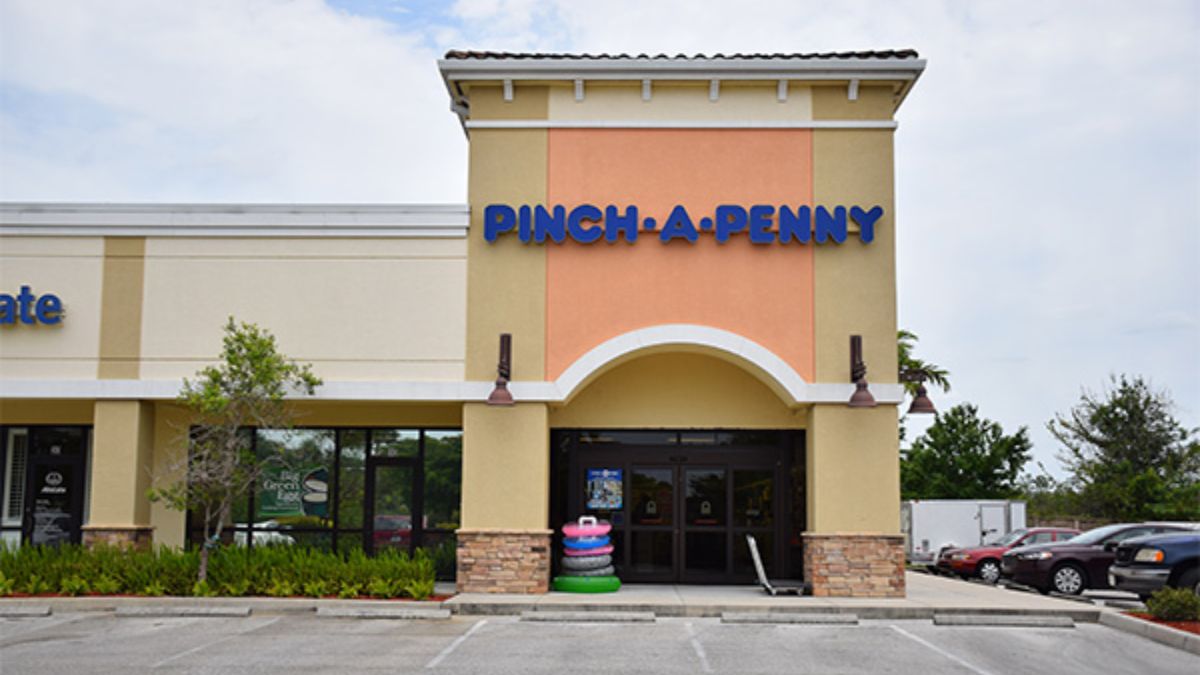
Why Pinch A Penny Is Betting on Recurring Revenue for Its Next 200 Stores
The most interesting part of Pinch A Penny’s plan to reach 500 locations is not the number of stores it wants to open.
It is the type of revenue behind them.
Pinch A Penny is building its expansion strategy around a customer who may keep spending with the same business for years.
A homeowner might first visit for chlorine. Later, the same person may buy a pump, schedule a repair, hire the company for weekly cleaning and eventually replace other pool equipment.
That customer relationship helps explain why the pool franchise believes there is room for nearly 200 additional locations.
A Retail Franchise With a Service Business Attached
Many retail franchises face the same problem: once the customer leaves the store, the business needs to find another transaction.
Pinch A Penny has a different opportunity.
Its franchisees operate physical retail stores selling chemicals, pool equipment, accessories, replacement parts and maintenance products.
But the franchise can also take its business directly to customers’ homes.
Pool cleaning, maintenance, repairs and equipment installation add a service component to the traditional retail model.
That matters because service contracts can create predictable repeat business.
Instead of depending entirely on someone deciding to walk into the store, a franchisee can build a route of residential and commercial customers who require service week after week.
Why the Timing Makes Sense
Swimming pools have an unusual economic characteristic.
Once installed, they continue costing their owners money.
A homeowner can postpone remodeling a kitchen. A pool cannot simply be ignored for months without consequences.
Water has to be balanced. Chemicals need to be added. Filters need attention. Equipment eventually wears out.
The pandemic-era backyard improvement boom added another layer of potential demand. Large numbers of homeowners invested in pools and outdoor living between 2020 and 2022.
Those pools are now moving deeper into their maintenance lifecycle.
That creates opportunities for companies selling the products and services required to keep them operating.
Pinch A Penny is positioning itself around that installed base rather than relying solely on future pool construction.
The Numbers Behind Existing Pinch A Penny Stores
The franchise’s latest performance figures also give some context to its expansion strategy.
At the end of 2025, Pinch A Penny reported 306 operating stores. The company evaluated 285 locations that had been open for at least 12 months.
Average annual gross sales among those stores were approximately $1,954,752.
About 38% of the qualifying stores exceeded the system average.
Those figures should not be confused with profit. Payroll, inventory, rent, debt, service vehicles, utilities and other operating expenses still have to be paid.
But from a franchise development perspective, nearly $2 million in average annual store sales gives Pinch A Penny an important number to take to prospective franchisees.
Growth Has Already Started Moving Beyond Traditional Markets
For much of its history, Pinch A Penny was heavily associated with Florida.
That is beginning to change.
The company passed its 300-location milestone and added Arizona and North Carolina to its footprint in 2025.
Its development map is now focused on a much larger portion of the Sunbelt, including markets in Arizona, Texas, Nevada, Georgia and the Carolinas.
Nevada may offer an early indication of the strategy.
Pinch A Penny is marketing turnkey stores in Summerlin and Spring Valley, allowing qualified franchise candidates to potentially step into locations where much of the physical development has already been completed.
Reducing the time between signing an agreement and opening a store could help the company accelerate expansion.
Technology Can Make Recurring Service Easier to Scale
Adding a pool-cleaning route sounds simple until a business has dozens or hundreds of customers.
Someone has to schedule technicians, plan routes, track inventory, create invoices, document water conditions and manage customer accounts.
Pinch A Penny has developed Pinch CleanPro to help franchisees handle those tasks.
The proprietary platform brings several parts of the service operation together, including routing, invoicing, water analysis, reporting and inventory management.
Technology like this may become increasingly important as the company adds franchisees who want to grow the service side of their businesses rather than rely primarily on store sales.
The company has also been building its SunBlazer equipment line, expanding its involvement in the pool equipment category.
New Leadership Arrives as Expansion Accelerates
Pinch A Penny’s expansion is also taking place under a new president.
John Mansfield joined the company in 2026 after more than 20 years working across consumer, retail, service and multi-unit businesses.
His job includes strengthening franchisee performance, improving the customer experience and leading the brand’s next phase of development.
The timing is significant.
Leadership changes often come after a company has decided what needs to be fixed.
This one arrives while Pinch A Penny is trying to substantially increase the size of its franchise system.
Mansfield therefore inherits both an established 50-year-old brand and an aggressive development target.
The Cost of Entering the System
Pinch A Penny is not a low-cost franchise.
Current startup estimates range from approximately $510,925 to $857,200.
That type of investment can limit the franchise candidate pool, particularly as financing costs and construction expenses remain important concerns for entrepreneurs.
Pinch A Penny is trying to address that issue directly.
Financially qualified candidates can potentially finance as much as 80% of the cost of opening a new franchise through the company’s in-house financing program.
That can lower the upfront capital requirement, although prospective owners still need to carefully evaluate debt payments, working capital and operating economics.
What Makes the 500-Store Goal Interesting
Plenty of franchisors announce aggressive unit targets.
The question is whether the underlying business supports them.
Pinch A Penny has several advantages.
The industry serves an installed base of millions of swimming pools. Customer spending is often recurring rather than purely discretionary. Franchisees can sell both products and services. And the brand already has more than 300 locations and five decades of operating history.
But moving toward 500 stores will still require more than franchise sales.
The company needs strong real estate, qualified operators, properly staffed service businesses and enough local demand to support every new store.
Expansion into newer states will also test whether the brand’s Florida-heavy success can translate into markets where Pinch A Penny has much lower consumer awareness.
For entrepreneurs and franchise investors, that is what makes the next few years worth watching.
Pinch A Penny is not simply trying to open more pool stores.
It is attempting to scale a hybrid model where one customer can generate retail purchases, recurring service income, repair revenue and equipment sales over many years.
If that model travels well, 500 locations may be only the next milestone.
Discover more about Pinch A Penny Pool Patio Spa Franchise opportunities.