
The Breakfast Franchise Is Scaling Through Experienced Operators Rather Than Chasing Unit Count
One of the strongest indicators of confidence in a franchise system can come from an operator who already owns locations and decides to invest again.
That is playing out at The Big Biscuit.
Multi-unit restaurant operator Steve Zahn is expanding his relationship with the breakfast-and-lunch brand, increasing his Oklahoma development portfolio to nine restaurants. Seven are currently open, with another two progressing through development.
The expansion arrives as The Big Biscuit moves closer to 40 restaurants across Missouri, Kansas, Oklahoma and Arkansas and continues building a regional platform for longer-term franchise growth.
Why Existing Franchisees Matter to Emerging Brands
Signing a new franchisee generates growth. Convincing a successful existing franchisee to develop additional units can offer something different: evidence that an operator with direct experience in the system sees enough opportunity to invest further.
Zahn has been involved with The Big Biscuit since the company’s early franchise expansion.
The concept was established in 2000 before entering franchising in 2019. Zahn became its first franchisee and began developing the brand in Oklahoma.
Today, his restaurant network includes locations in multiple Oklahoma communities, including Tulsa, Broken Arrow, Edmond, Owasso, Midwest City and Oklahoma City.
Development of additional restaurants in Oklahoma City and Norman will further increase that footprint.
This type of expansion can help a franchisor create market density while working with an operator already familiar with its systems.
Multi-Unit Growth Requires Replicable Operations
Restaurant franchising becomes increasingly complex as operators move from one unit to several.
A successful single restaurant does not automatically translate into a successful multi-unit organization. Systems need to function without the franchise owner being physically present in every restaurant.
That makes operational consistency, training, management development and repeatable processes critical.
The Big Biscuit’s model combines full-service hospitality with a relatively streamlined operating approach. The company reports average ticket times of roughly six minutes, despite operating as a full-service concept.
The brand also concentrates on breakfast and lunch rather than maintaining the longer operating schedule common across much of the restaurant industry.
Those characteristics can help shape the economics and management structure of the concept while giving The Big Biscuit a differentiated position in the restaurant franchise sector.
Breakfast Remains the Center of the Brand
The Big Biscuit has not built its identity around complicated menu trends.
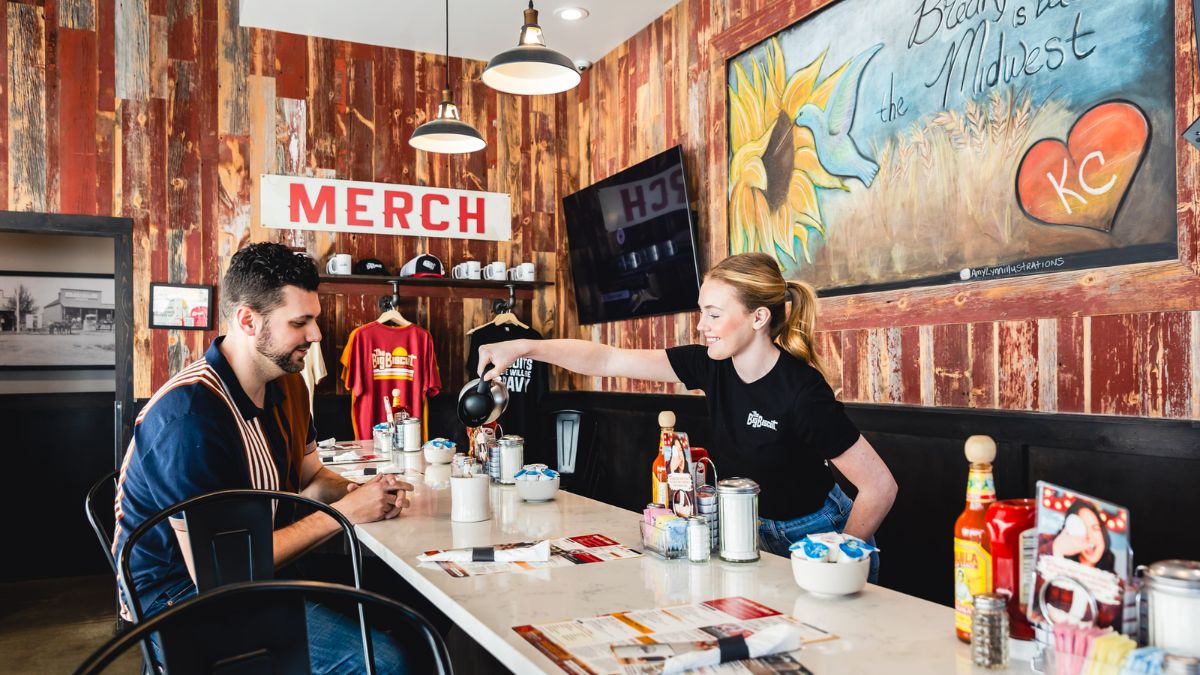
Instead, its positioning centers on familiar American breakfast and lunch dishes, large portions and a welcoming neighborhood restaurant experience.
Biscuits, breakfast plates, pancakes, chicken dishes and other comfort-food selections form the foundation of a menu designed to appeal to a broad customer base.
That familiarity can be valuable as a restaurant franchise enters new markets.
Consumers do not necessarily need extensive education to understand the concept. Breakfast and lunch are established dining occasions, while familiar menu categories can make the brand accessible to customers across different demographic groups.
The challenge becomes executing those products consistently as the franchise network grows.
Market Density Before Nationwide Saturation
Another interesting element of The Big Biscuit’s development strategy is its regional concentration.
Rather than spreading isolated restaurants across a large number of states, the company has established a growing footprint across Missouri, Kansas, Oklahoma and Arkansas.
Oklahoma has developed into a significant franchise market through Zahn’s portfolio, while Kansas has seen continued corporate development.
Missouri, the brand’s home state, remains part of its expansion pipeline, including franchise development in Columbia. Arkansas has also emerged as a growth market as The Big Biscuit adds restaurants and develops greater awareness in the state.
Concentrated development can create several potential advantages for a growing franchise.
Brand awareness can compound as more restaurants enter nearby markets. Training and operational support can become easier to coordinate. Marketing dollars may also have greater impact when multiple restaurants serve the same region.
Most importantly, a franchisor can build infrastructure before moving aggressively into distant territories.
Experienced Restaurant Operators Can Accelerate Development
The Big Biscuit’s franchise growth also reflects a broader lesson for emerging brands: franchisee quality can matter more than the raw number of agreements signed.
Experienced multi-unit operators understand hiring, restaurant-level profitability, real estate, local marketing and management development. They also tend to approach franchise investments with a deeper understanding of the operational demands involved.
The Big Biscuit has increasingly aligned its expansion strategy with operators capable of developing multiple restaurants.
That does not necessarily produce the fastest possible franchise sales trajectory. It can, however, create a more controlled foundation for sustainable unit growth.
Community Engagement Strengthens Local Restaurant Markets
Scaling a franchise system does not eliminate the importance of local relationships.
Restaurants still compete neighborhood by neighborhood, which makes community engagement especially relevant for a regional concept.
The Big Biscuit has incorporated local involvement into its brand strategy through initiatives connected to education, food insecurity and community support.
Its school supply campaign provides one example. What began through activity in Oklahoma developed into a broader brand-wide initiative.
Programs like these can help individual franchise locations build relationships beyond transactional restaurant visits while giving operators opportunities to establish deeper visibility in their communities.
Building the Next Stage of The Big Biscuit
The Big Biscuit’s expansion is still relatively concentrated compared with major national breakfast chains, but its current trajectory offers an interesting case study in disciplined franchise development.
The company is approaching 40 restaurants, strengthening existing markets and adding locations through both corporate and franchise investment.
Meanwhile, its first franchisee is continuing to expand years after initially joining the system.
That may ultimately be one of the more meaningful elements of the company’s growth story.
Franchise systems are built not simply by selling territories, but by creating an operating model that capable franchisees are willing to keep investing in.
With nine Oklahoma restaurants expected across Zahn’s portfolio and additional development underway elsewhere, The Big Biscuit appears focused on building that kind of multi-unit foundation before pursuing its next stage of expansion.
Discover more about The Big Biscuit Franchise opportunities.