
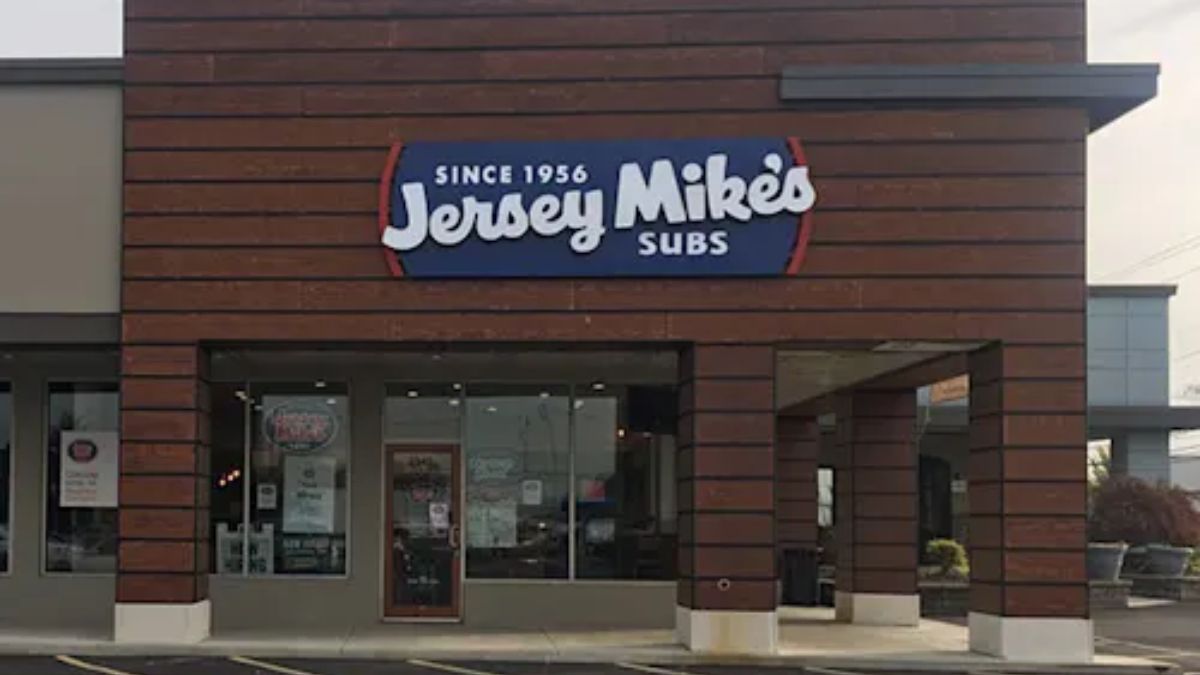
Jersey Mike’s is beginning a new phase of its business journey as a publicly traded restaurant company.
The sandwich chain raised approximately $1 billion through an initial public offering, making it one of the most closely watched restaurant stock listings of the year. Its shares now trade on the New York Stock Exchange under JMKE.
Jersey Mike’s priced 43.5 million shares at $23 each. However, the stock opened at $21 and ended its first trading session at $21.63, approximately 6% below the offering price.
The early decline attracted attention, but the long-term performance of Jersey Mike’s will depend more heavily on restaurant sales, franchise development and customer demand.
Strong Unit Sales Create a Solid Foundation
Jersey Mike’s reported systemwide sales of approximately $4.3 billion in fiscal 2025. This was a 13% increase over the previous year and considerably stronger than the growth recorded across much of the restaurant industry.
The company’s average unit volume reached roughly $1.4 million. Same-store sales also increased by approximately 50% between 2020 and 2025, showing that established locations continued to attract business as the franchise expanded.
Jersey Mike’s reported approximately $55 million in net income during its most recent fiscal year.
By comparison, average 2025 sales growth among restaurants operating for at least one year was around 3%. Jersey Mike’s performance placed the brand well ahead of that broader industry benchmark.
More Visits Are Driving Revenue
One of the more encouraging details behind Jersey Mike’s recent performance is the role of customer traffic.
The company has indicated that much of its same-store sales growth during the current year has come from increased transactions. For franchise operators and investors, transaction growth can be particularly meaningful because it suggests that sales are rising through more customer visits, not simply menu price increases.
CEO Charlie Morrison has also noted that Jersey Mike’s generally serves a slightly higher-income customer base. Those consumers may have more flexibility to continue purchasing restaurant meals despite inflation and rising household expenses.
This customer profile has helped the brand manage economic pressures that have affected many other limited-service restaurants.
A Highly Franchised Business Model
Franchisees operate approximately 99% of the Jersey Mike’s system. With around 3,300 restaurants across all 50 states, the company has built one of the largest franchise networks in the sandwich category.
A heavily franchised model can make expansion more efficient for the parent company. Franchise owners provide much of the capital needed to establish new restaurants, while Jersey Mike’s generates revenue through fees, royalties and other franchise-related income.
However, rapid franchise growth also creates responsibilities. The company must continue supporting its operators, protecting restaurant profitability and maintaining a consistent customer experience across thousands of independently operated locations.
Blackstone and Experienced Leadership Shape the Future
The IPO follows Blackstone’s acquisition of a controlling interest in Jersey Mike’s in November 2024. The transaction valued the restaurant company at close to $8 billion.
Peter Cancro, who purchased the original sandwich business as a teenager and developed it into Jersey Mike’s, continues to hold a meaningful ownership interest.
Blackstone appointed Charlie Morrison to lead the company after completing its investment. Morrison previously served as CEO of Wingstop and guided that franchise through its 2015 public offering.
His experience managing a growing public restaurant company could be valuable as Jersey Mike’s adjusts to greater financial reporting requirements and increased scrutiny from shareholders.
IPO Funds Will Strengthen the Company
Jersey Mike’s sold more than 13 million shares directly through the offering. It plans to use the money from those shares to repay certain outstanding debt and meet general corporate needs.
Reducing debt could give the company greater flexibility to invest in technology, franchise support, marketing and the infrastructure required for continued expansion.
The brand already has significant marketing strength. Jersey Mike’s spends more than $200 million on advertising and has built an active loyalty membership of over 12.5 million customers.
It also recently reached the top of a major quick-service restaurant customer satisfaction ranking, surpassing Chick-fil-A after the chicken franchise had occupied first place for 11 consecutive years.
The Real Test Begins After the IPO
A disappointing opening-day share price does not erase Jersey Mike’s recent business growth. At the same time, strong historical results do not guarantee future stock performance.
Jersey Mike’s must now show investors that it can expand without weakening unit economics or customer satisfaction. Maintaining traffic, supporting franchisees and managing costs will be essential.
The IPO provides the company with capital and greater visibility. Its franchise model, strong average restaurant sales and loyal customer following offer a promising foundation, but consistent execution will determine whether Jersey Mike’s succeeds as a public company.